After the Ceasefire: Private Sector Support for Gaza
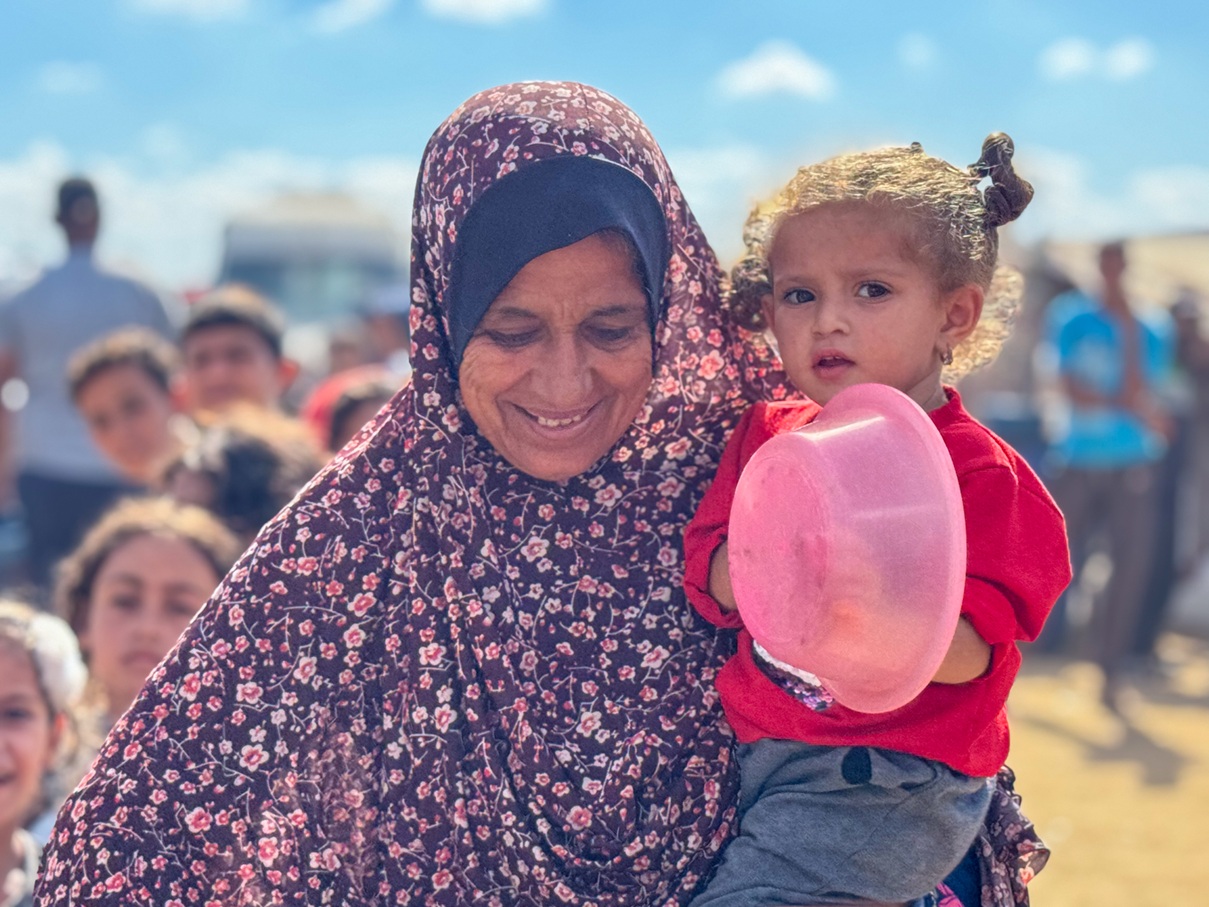
“One way or the other, everyone is in need.”
Last week, OCHA co-hosted a virtual executive briefing on private support for Gaza in collaboration with the International Chamber of Commerce (ICC) and the United Nations Development Programme (UNDP). The Head of OCHA’s occupied Palestinian territory office, Bediako Buahene, started with an overview of the situation on the ground.
The current situation in Gaza
The biggest challenges from a logistical perspective are a lack of warehousing capacity, a shortage of storage options for fuel, and access. So much of Gaza has been destroyed that there aren’t always roads or paths for humanitarian aid to reach those who need it.
With winter coming soon, the issue of shelter is also critical, with thousands of tents being distributed and set up to ensure that inhabitants have a place to sleep while the reconstruction efforts begin.
In the first 60 days after the ceasefire, humanitarian partners are focusing on acute and life-saving assistance, ensuring that support reaches people in need safely, with dignity, and inclusively.
OCHA aims to deliver the following in the coming weeks:
- Food assistance for 2.1 million people, including direct food rations, support to local bakeries, and community kitchens providing cooked meals.
- Nutrition support for 500,000 children under five and pregnant and lactating women, through preventive and therapeutic nutrition programmes.
- Restoration of local food production and livelihoods, supporting farmers, herders, and fishers to supply nutritious food locally and sustain families’ incomes.
- Shelter and household support for nearly 1.5 million people, providing emergency shelter items and essential household supplies, especially critical ahead of winter.
- Safe water, sanitation, and hygiene services for 1.4 million people, to prevent disease outbreaks and ensure access to clean water.
- Essential health services for 2.1 million people, including trauma care, reproductive health, and psychosocial support.
- Cash assistance for 120,000 families, giving them flexibility and dignity to meet their most urgent needs.
- Education and psycho Protection and gender-based violence responsesocial support for 270,000 children and teachers, through Temporary Learning Spaces and mental health programmes, including safe spaces for women and girls, menstrual hygiene supplies, and protection monitoring.
All these efforts are grounded in gender equality, disability inclusion, and community engagement, with strong accountability to affected people.
However, the success of this plan depends on access, available supplies, and logistics readiness. The goal is to increase aid flow to hundreds of trucks per day, with pre-positioned supplies moving through coordinated corridors.
This is where the private sector can make a real difference by helping scale up transport, storage, energy systems, communications, and supply chains to deliver at the speed and scale required.
For businesses, there are multiple ways to contribute:
- Expertise, for example infrastructure repair, digital connectivity, or local procurement solutions.
- In-kind assistance such as food and essential non-food items, logistics support, safe water, sanitation, and hygiene (WASH) services, medical support, or energy supplies.
- Cash contributions through coordinated humanitarian channels.
For more information, reach out to OCHAPrivateSector@un.org.
How the local and regional private sector is supporting the humanitarian response and recovery
During the briefing, we heard from the local and regional business leaders about on-going efforts such as rapid needs assessments, planning short, medium, and long-term in terms of recovery and reconstruction, and the significant challenge related to their being no physical cash in Gaza. The incredible resilience and ingenuity of Palestinians came through, from the use of blankets to sew together winter clothes to water desalination projects, small gardens popping up anywhere and everywhere to grow food, and more.
Banks need to reopen, more construction equipment is needed, and recycling – as well as broader waste management – is essential.
The Palestinian Federation of Chambers of Commerce, Industry, and Agriculture are offering small business grants so that blacksmiths, carpenters, and others can start operating in the Gaza markets again.
The Gaza Chamber of Commerce has been monitoring trade movements to better understand the economic impact so as to inform recovery planning, and emphasized the importance of Palestinians being able to work remotely, electronic wallets to bypass cash shortages, and the need for both humanitarian support and developmental efforts happening in parallel.
The Islamic Chamber of Commerce outlined four initiatives and three pillars of work to support the response in and recovery of Gaza: reviving small and medium enterprises (SMEs), identifying opportunities for remote work via digital platforms, strengthening local capacity and skills through training, and the promotion of Palestinian products.
Three pillars support these initiatives:
- A platform to sell Palestinian products, a digital tool for economic empowerment, putting forward Palestinian handicrafts and small producers
- A remote work employment platform, Talent Gate, to give Palestinian youth access to the global freelance market
- Palestinian breakfasts at international Halal events, with the first taking place at the London Halal Forum on November 20-21
The United Nations Development Programme shared that they are supporting the removal of rubble to enable reconstruction (with 3600 truckloads removed to date), and hired a private sector company to remove 425,000 tonnes of waste so far.
Beyond that, two key resources are an SDG Investor Map for early recovery, identifying where the private sector can invest or establish businesses, and a help desk in Gaza and the West Bank to help local entrepreneurs and business owners better understand available resources and support.
What you can do to help
If you’re interested in being a part of the humanitarian and recovery efforts, you can reach out to any of the organizations mentioned in this article or connect with OCHA who can then guide you based on your area of interest and expertise.
Three specific ways you can support the Gaza response and recovery are:
- Provide in-kind resources: If your organization has in-kind resources to contribute, please reach out to OCHAPrivateSector@un.org with the details so that we can see how best to guide you as per the OCHA coordination mandate.
- Make a financial donation: Should you be interested in making a financial donation, we recommend the OCHA oPt Pooled Fund for its flexibility to get aid to those most in need. If you want to explore other options, please refer to our Giving Guide or reach out to OCHAPrivateSector@un.org.
- Report on the support you’re providing: If you’ve already made contributions, whether in-kind or financial, please let the OCHA Financial Tracking Services team know by emailing fts@un.org. Having such information enables better coordination of resource allocation to avoid a duplication of efforts – and to ensure that recognition is given to all those supporting the emergency response and recovery efforts in Gaza.