From Recovery to Resilience: Building the participation of private sector in Venezuela
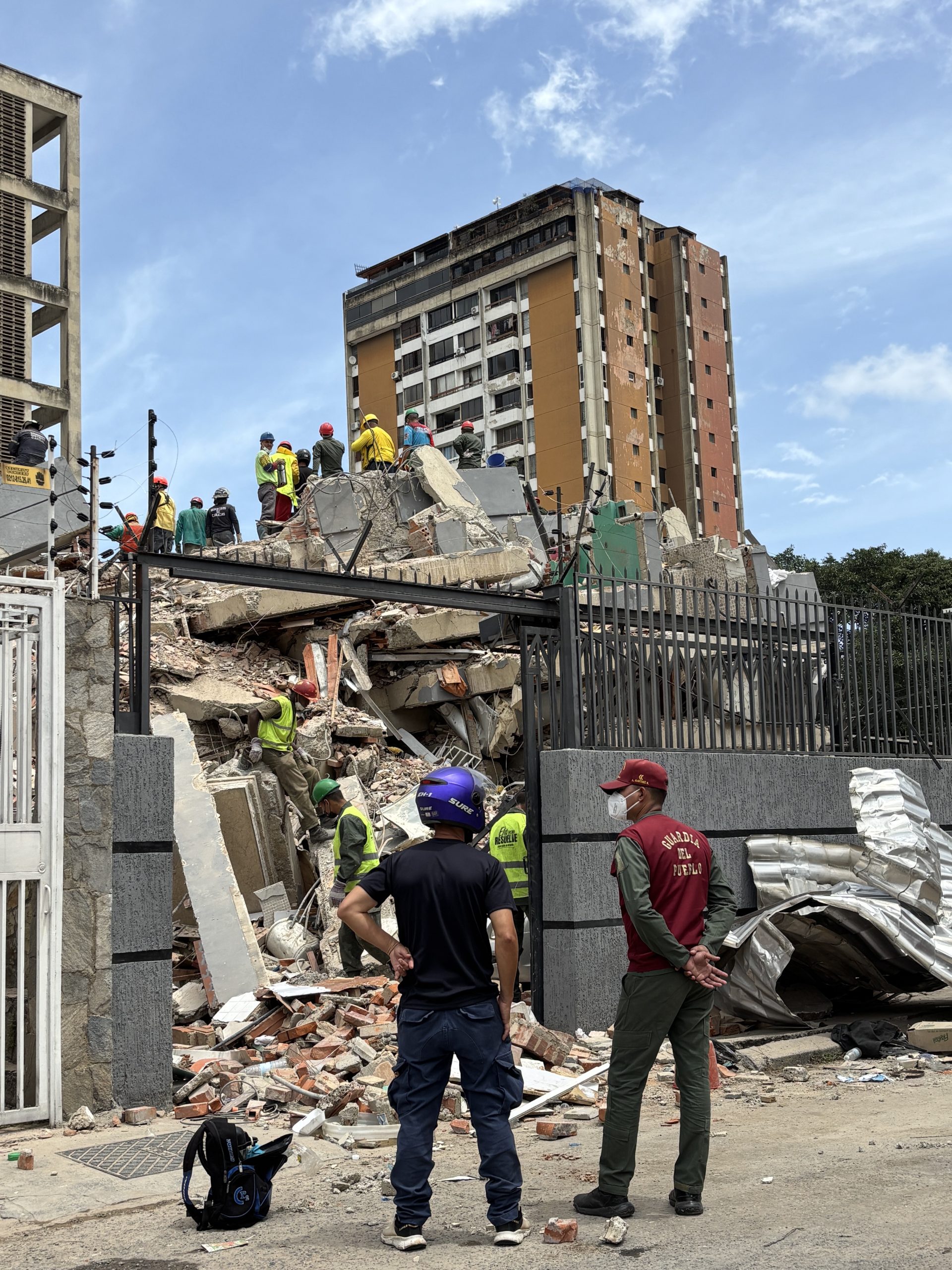
When you arrive in a country after a disaster, it is easy to focus on what is missing. A roof. A school. A safe place for a family to sleep. You see the damage, you hear the stories, and very quickly the human instinct is to ask: What can we donate or do?
But during my deployment to Venezuela following the double earthquake, I found myself asking a different question:
How can we make sure that what we contribute today helps communities become stronger tomorrow?
I arrived in Venezuela on 5 August, at a moment when the emergency response was beginning to transition toward recovery, after the first six weeks post-earthquake which focused on response. That transition was an important reminder of how quickly the nature of a disaster changes.
In the first days, speed saves lives. Then the questions become more complex, shifting to: How do we rebuild? How do we restore livelihoods? How do we make schools, businesses and infrastructure safer? How do we support communities without creating new vulnerabilities? And, perhaps most importantly, how do we make sure that the next emergency finds a country better prepared?
That became the purpose of my mission.
My role as an OCHA-UNDP Connecting Business Iinitiative (CBI) Private Sector Coordinator was not simply to mobilize private-sector donations. It was to help build the foundations for a longer-term system in which businesses could become part of Venezuela’s resilience architecture—working alongside government, humanitarian organizations, academia, civil society, the United Nations, and other multilateral institutions to understand where, how and when private-sector capabilities could add value, without duplicating efforts or creating additional burdens for affected communities.
Because generosity is powerful. But coordinated generosity can be transformative.
To move toward this ambition, we began with three objectives:
- mapping the priorities emerging from the Private Sector Working Group;
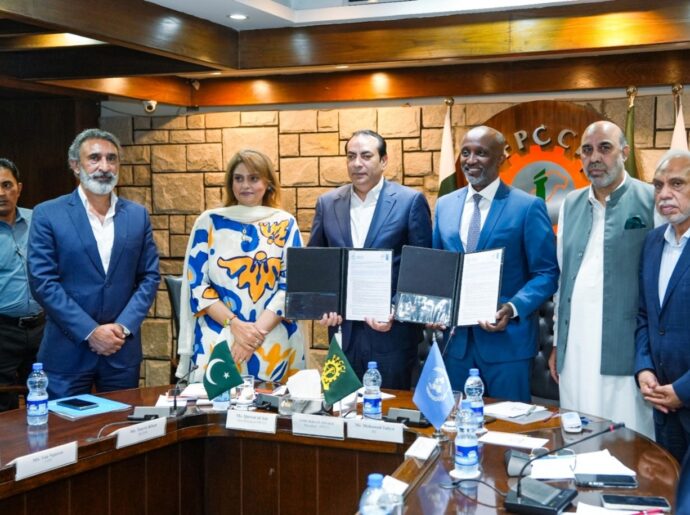
- identifying a prospective convening institution, through due diligence, with the credibility and capacity to lead and sustain a strategic private-sector engagement agenda;and
- developing a draft coordination protocol defining the governance, roles and engagement modalities for a future CBI Member Network in Venezuela.
Coordinating the private sector in crisis settings
At the heart of this work is a simple idea: CBI is a key entry point for the private sector to engage with the UN system before, during, and after disasters—connecting businesses not only with humanitarian response, but also with preparedness, recovery, resilience and longer-term development efforts and initiatives.
The value of that entry point is not simply in mobilizing resources. It is in creating the relationships, coordination mechanisms, and shared understanding that allow private-sector capabilities to be brought in at the right time, in the right way, and in support of nationally identified priorities. The vision? Increasing the resilience capacity of our local communities.
What followed over four weeks was more than we had initially anticipated. Working as one UN team—with OCHA, UNDP, and the United Nations’ (UN) Resident Coordinator’s Office, alongside other agencies, funds and programmes—we moved toward a more joined-up way of engaging with the private sector.
The experience reinforced something simple but powerful: coordination is not an additional layer to the work; it is what allows different capabilities to become more coherent, efficient and impactful.
Establishing a Private Sector Working Group in Venezuela
What the UN brings to these partnerships is not only technical expertise, but a unique combination of humanitarian, development, recovery, resilience, and convening capacities. When these different strengths come together, the UN can become a more effective partner for the private sector—not simply asking businesses to contribute, but helping them understand where and how their capabilities can create the greatest value.
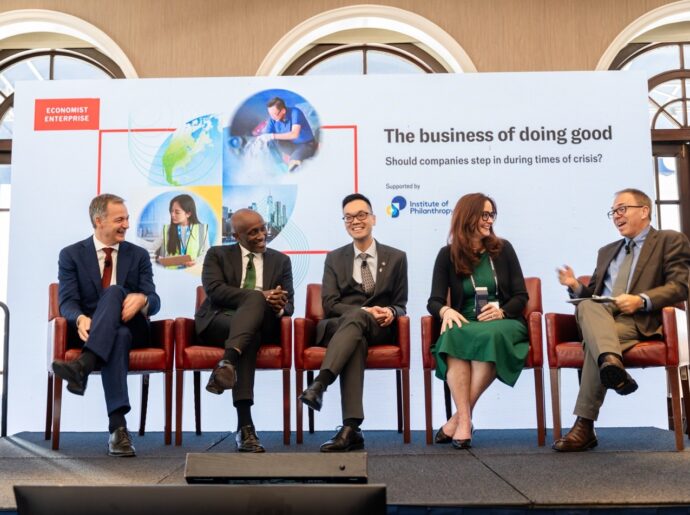
The Private Sector Working Group grew into a broader ecosystem of 53 institutions, including business associations, umbrella organizations, and sectoral actors. We mapped capabilities and priorities, explored the national coordination landscape, assessed potential leadership, conducted due diligence, and worked with stakeholders to shape the governance and financial arrangements needed to turn shared intentions into collective action.
At the same time, we drew on the experience and mobilization of other CBI Member Networks such as CENACED in Mexico, CentraRSE in Guatemala, CIP in Ecuador, and Desafío Levantemos Chile in Chile. Their practical knowledge and lessons from the field offered another important resource—not simply funding, but experience in understanding how private sector engagement can work better for communities.
But I do not see these results as a list of achievements. The numbers and structures are only evidence of something more important: What becomes possible when different actors stop working around one another and start working as part of the same system.
This is what the Venezuela experience taught me.
It was not a story about how much one team could accomplish in four weeks. It was a reminder that our greatest opportunity is to create the conditions for others to contribute meaningfully from the role they represent—and to build mechanisms that can continue creating value after the deployment ends.
Because the real measure of coordination is not how much we can mobilize while we are there, but what becomes possible because we connected the right people, capabilities, and resources in the right way.
This is Part 1 of a series of two articles.
If you or an organization you’re affiliated to have made a contribution to the earthquake response or recovery in Venezuela, please reach out so we can make sure it’s reflected in our contributions dashboard. And if you’re interested in getting engaged, reach out to connectingbusiness@un.org – that’s what we’re here for.