Four lessons from Venezuela: Turning collective generosity into transformative, coordinated action
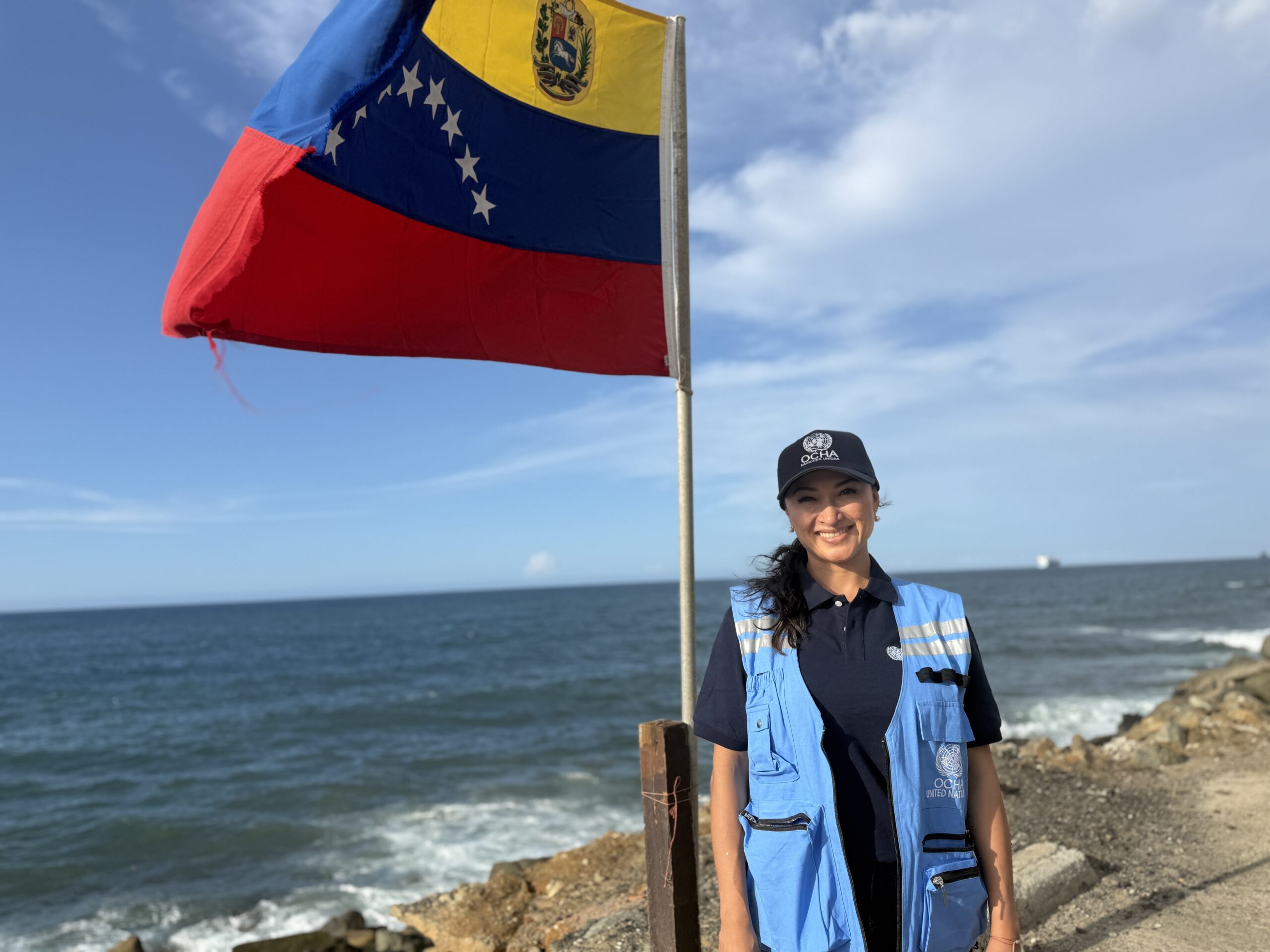
During my deployment in Venezuela back in August, I focused on the transition between emergency response and recovery, which extended to resilience-building. However, rather than looking at this mission only through the lens of what we achieved, I wanted to share four lessons about what I learned about turning collective generosity into transformative, coordinated action:
- Turning generosity into impact
- Timing matters
- From donors to partners
- Leave capacity behind
1. Turn generosity into impact
After a disaster, generosity comes quickly.
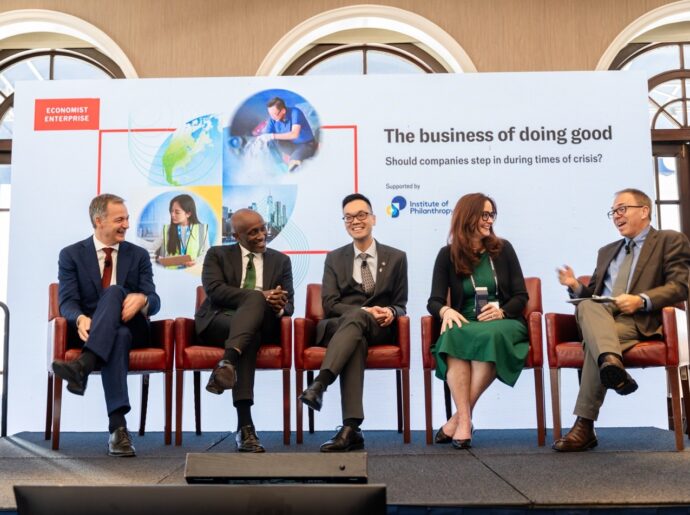
Companies want to help. Businesses can offer money, equipment, logistics, technology and expertise.
But good intentions do not always translate into impact.
What matters is not only how much we give, but how well it connects to what communities actually need. Without coordination, even generous contributions can be duplicated, create unnecessary costs or miss the moment when they are most needed.
2. Timing matters
In the first days of a disaster, speed can save lives. But recovery is a marathon, not a sprint.
Around 80% of individual donations happen in the first week, according to the Center for Disaster Philanthropy, while recovery needs can last for years.
The funding gap tells the same story: in 2021, only 17% of early-recovery needs were funded, down from 40% in 2015, according to the Global Humanitarian Assistance Report.
The lesson is not to give less. It is to connect generosity to a longer-term vision.
3. From donors to partners
The private sector is more than a donor.
Venezuela did not lack willing donors. The challenge was connecting them as long-term solution partners.
The Private Sector Working Group brought together 53 organizations across nine private-sector segments, helping identify where business capabilities could support recovery—from livelihoods and preparedness to education, data and circular economy.
The conversation shifted from Who can donate? to:
What can we contribute—and how can we connect it to national recovery priorities?
That is when the private sector becomes a partner in recovery, resilience and development.
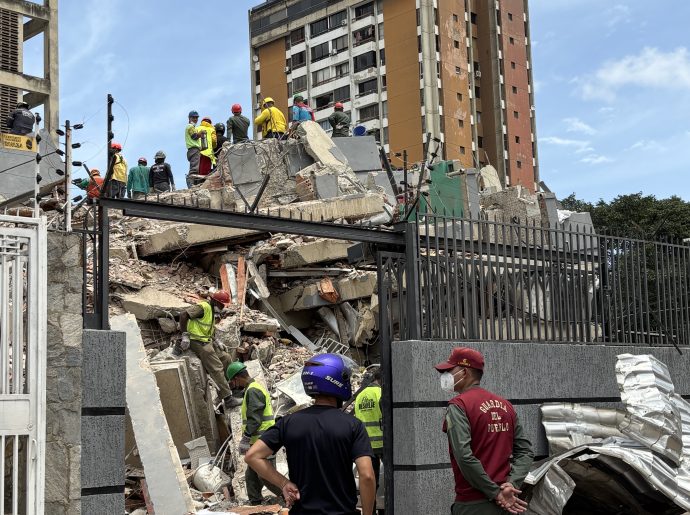
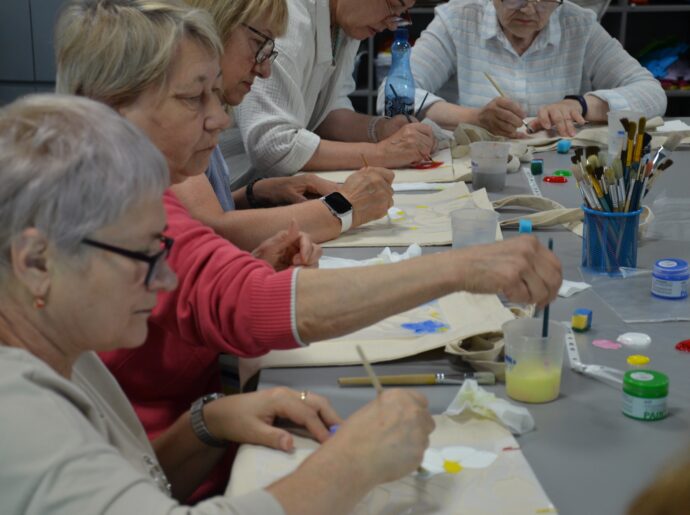
One example was connecting UNDP, Construyendo Futuros, Revestimientos RV Venezuela, and Constructora Sambil to transform earthquake debris into reconstruction materials—recovering up to 92% of materials at around 30% of market cost, while creating livelihood opportunities for affected communities.
4. Leave capacity behind
The work was not only about addressing immediate needs. It was about building what could last.
The OCHA-UNDP Connecting Business Initiative (CBI) helped coordinate approximately US$154,000 in relief supplies from Amazon, strengthening local Civil Protection capacity. Honda Venezuela contributed 50 generators and 50 water pumps, including future maintenance support.
At the same time, Promotora Social México, long term partner of CBI Mexico, mobilized US$120,000 in humanitarian and technical assistance through UNDP Venezuela, supporting the development of local capacities and the establishment of CBI Venezuela.
Initial consultations across the private sector, UN system, government, academia, and other stakeholders helped develop a preliminary coordination model and identify ACIDE as a prospective institution to lead and host the initiative, subject to validation and due diligence.
This is what makes a deployment meaningful.
It should not simply leave behind a list of donations. It should leave behind relationships, knowledge, coordination mechanisms and stronger local capacity.
Because when the next disaster comes, communities should not have to start from zero.
A safer future starts before the next emergency
Resilience is not built only after a disaster.
It is built when businesses know how to work with humanitarian and government systems. When local institutions know where to turn for expertise. When information is shared before a crisis. And when contributions are aligned with needs—not just the urgency of the news cycle.
The willingness to help already exists.
Our responsibility is to turn willingness into coordination, coordination into capacity, and capacity into resilience.
Because ultimately, this work is about something very simple: Ensuring people suffer less when the next disaster comes.
And if the assistance we mobilize today also leaves behind stronger partnerships and greater capacity for tomorrow, then recovery becomes more than rebuilding what was lost.
It becomes an opportunity to build a safer future… And in Venezuela, that journey is only beginning.
If you or an organization you’re affiliated to have made a contribution to the earthquake response or recovery in Venezuela, please reach out so we can make sure it’s reflected in our contributions dashboard. And if you’re interested in getting engaged, reach out to connectingbusiness@un.org – that’s what we’re here for.