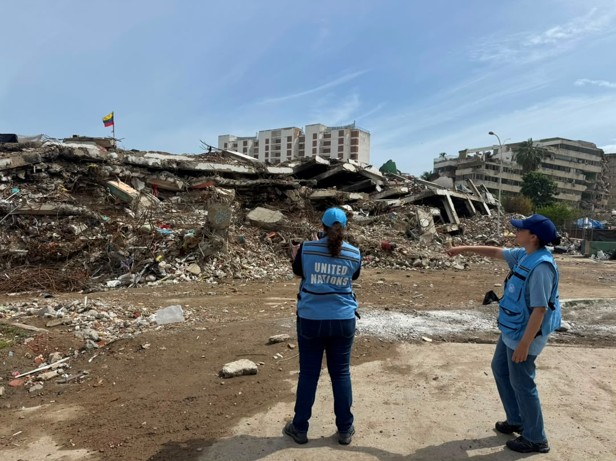
The Economist puts private sector humanitarian action on the global stage
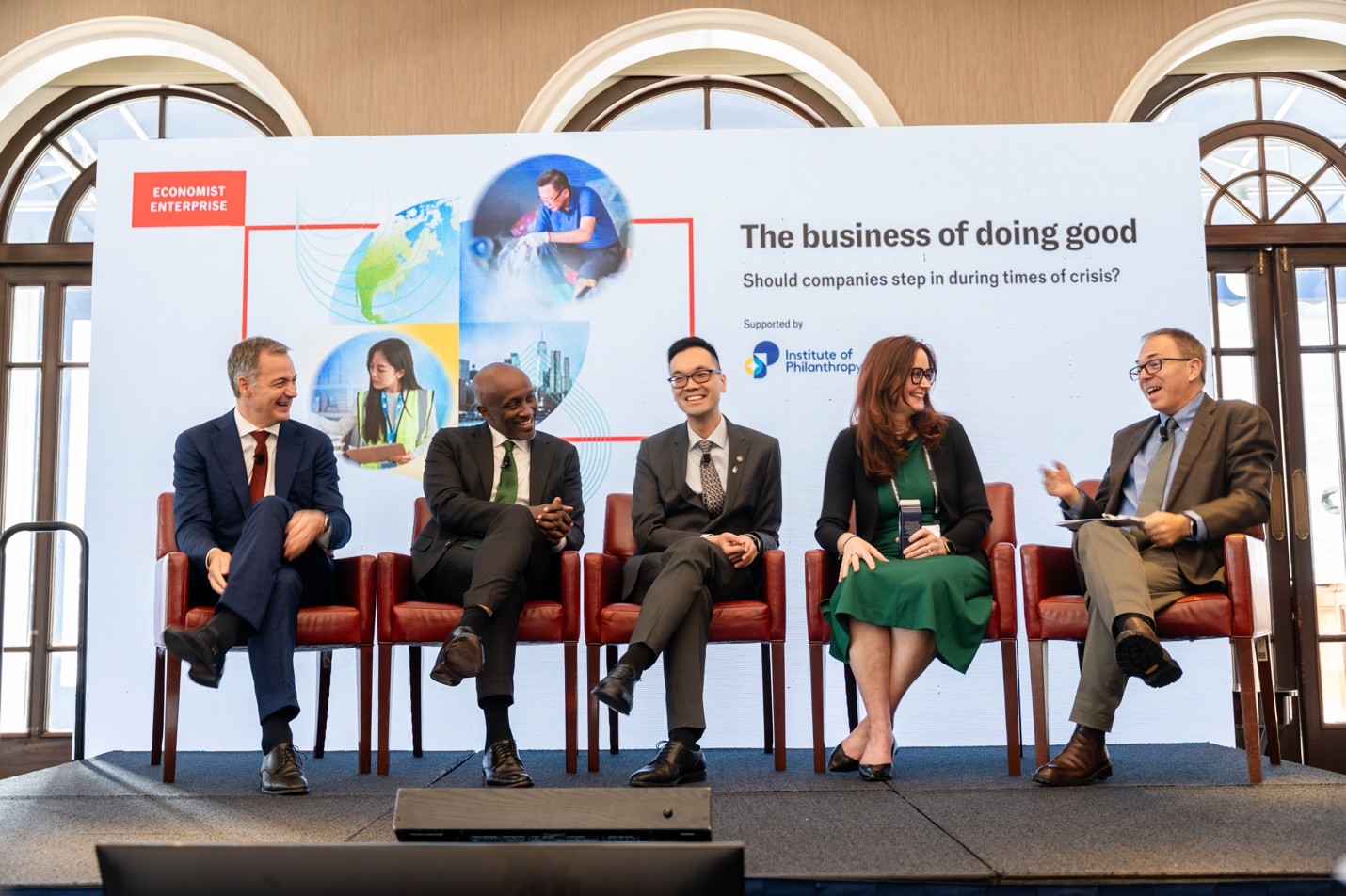
At this year’s United Nations General Assembly, Economist Enterprise launched its report, The Business of Doing Good: Should Companies Step in During Times of Crisis? – bringing global attention to a question that sits at the heart of the OCHA-UNDP Connecting Business Initiative (CBI)’s mission: what role should businesses play when crisis strikes?
For CBI, the significance of this moment goes beyond the report itself.
As disasters become more frequent and complex, the conversation around crisis response is evolving.
Businesses are no longer viewed solely as donors or sponsors. Increasingly, they are recognized as operational partners with capabilities, networks, and expertise that can strengthen preparedness, accelerate response, and support recovery at scale.
That shift is exactly what CBI has spent the last 10 years advocating for.
A growing recognition of the private sector’s role
The report argues that businesses have a critical role to play in helping societies navigate shocks – from natural disasters and public health emergencies to climate-related crises and supply chain disruptions. It highlights the value of corporate capabilities, local partnerships, and long-term engagement in strengthening resilience before, during and after emergencies.
For CBI, these findings reinforce what its Member Networks around the world demonstrate every day: businesses are often among the first actors to mobilize because they are already embedded in the crisis-affected communities. While many responders eventually leave, businesses stay, helping communities transition from relief to recovery by restoring livelihoods and rebuilding local economies.
As underscored in the report by Kareem Elbayar, Head of OCHA’s Private Sector Unit and CBI Programme Coordinator, “Too often, humanitarian organisations have viewed businesses primarily as donors rather than operational partners.”
That observation captures a challenge that continues to limit the full potential of private sector engagement in humanitarian action.
When businesses are engaged only after a disaster occurs, valuable capabilities remain untapped. When they are integrated into preparedness and coordination mechanisms before disasters strike, they can contribute logistics, communications, technology, supply chains, skilled personnel, and local knowledge that make response efforts more efficient and effective.
What this means for fostering resilience
One of the most noteworthy aspects of the report is the finding that myriad companies undergo a similar journey, taking them from ad hoc disaster response to a more structured committee or working group setup and through to business continuity and emergency planning, which might extend to humanitarian engagement. Knowing this enables better guidance for companies big or small embarking on this process, as a way to better prepare a next generation of resilient businesses.
Furthermore, Economist Enterprise sought out insights from CBI leadership as part of its research and analysis. In fact, the report’s conclusions closely align with CBI’s experience: resilience cannot be built during a crisis. It must be built beforehand through trusted partnerships, preparedness planning, and cross-sector coordination.
Florian Rhiza Nery, CBI Deputy Programme Coordinator, highlighted that “Businesses first protect their people and operations, then work to keep critical services running for customers. Where there is a clear need, they can extend their capabilities to affected communities. That is how businesses can do good during crises: by using what they already do well where it is needed most.”
This is the approach CBI promotes worldwide. The greatest contribution businesses can make is often not financial. It is applying their core strengths where they can have the greatest impact.
Strong UN leadership on a global platform
The launch event also featured Mohamed Yahya, OCHA Assistant Secretary-General for Humanitarian Affairs and Deputy Emergency Relief Coordinator, alongside senior leaders from across the United Nations, philanthropy, and business communities. His participation underscores the growing recognition within the humanitarian system that today’s challenges cannot be addressed by governments and humanitarian actors alone.
As humanitarian needs continue to outpace available resources, partnerships across sectors are becoming increasingly essential. Businesses bring capabilities that humanitarian organizations cannot replicate, while humanitarian actors provide the coordination frameworks and expertise needed to ensure those capabilities reach people most in need.
From recognition to action
The launch of The Business of Doing Good is an encouraging signal that the role of business in crisis settings is becoming part of mainstream global policy discussions.
For CBI, however, the conversation must not stop there.
The challenge now is to move from recognition to action. Governments, humanitarian organizations, and business leaders must invest in stronger mechanisms that enable private sector engagement before disasters occur. Businesses need a seat at the table, not only during emergencies, but in preparedness planning, resilience-building, and recovery efforts.
The evidence is increasingly clear: when businesses are organized, connected, and prepared to act alongside humanitarian and development partners, communities are better able to withstand shocks and recover faster.
The question is no longer whether businesses have a role in humanitarian action.
The question is how quickly we can build the partnerships needed to unlock their full potential.
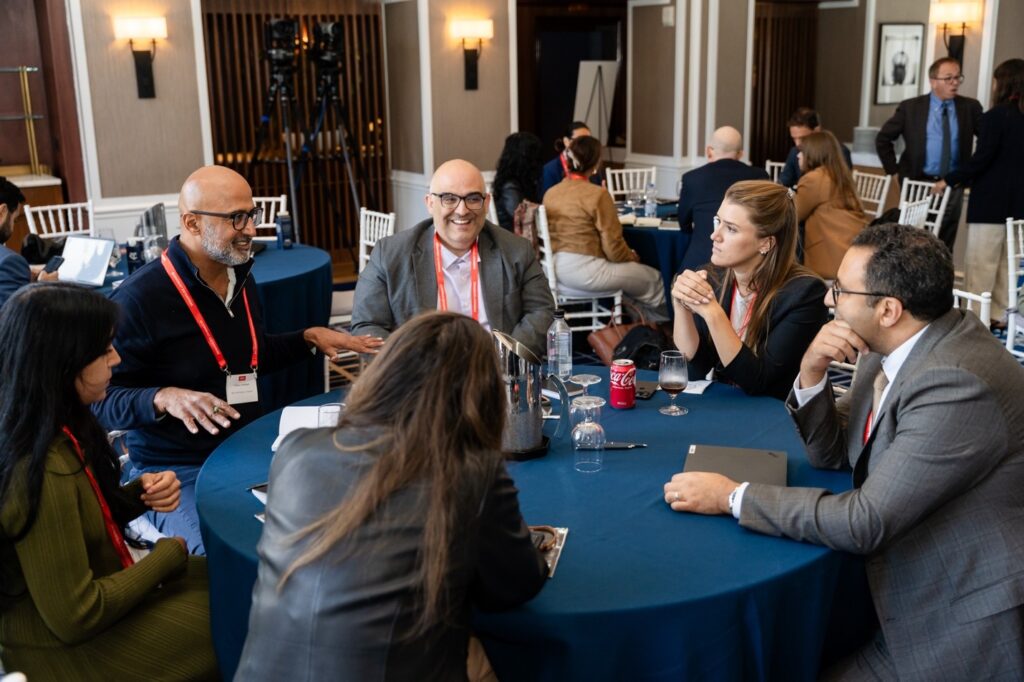
You can find out more about the research and access the full report here.