Invest in Resilience, not Stuff

Every year, on Thanksgiving, millions of Americans give thanks for the food on their table and being surrounded by loved ones. The next day, someone inevitably gets trampled in one of myriad stampedes happening when stores open their doors to mega sales for Black Friday. In 2011, Patagonia started shifting the narrative through controversial ads promoting less consumerism. With everything going on in the world, this season, let’s turn gratitude into action. Let’s invest in resilience, not stuff.
What does that translate to in real life? It implies taking stock of a reality where climate change puts us all at risk – of floods, hurricanes, or “once in a generation” extreme weather events happening yearly, if nothing else. Most importantly, are you aware of the risks? Do you have a plan, should a crisis happen tomorrow?
Step 1: Be prepared
In the days leading up to Hurricane Sandy hitting New York in 2012, stores and peddlers sprang into action. Flashlights, batteries, water bottles, emergency blankets, umbrellas all appeared in plain sight, and people stocked up.
But that’s not always possible, or enough.
If power goes out and water is cut, having a flashlight and candles is a great start. But what about extra water not just to drink, but to be able to flush the toilet? And if you stocked up on food, that’s smart – but what if your fridge is off, or you can’t cook anything? You need food that’s prepared and ready to eat for the first few days, and then food that can last if you need to rely on it beyond that timeframe.
If you live with children or elderly parents, their needs will need to be factored in too – diapers, formula, medicine, and anything else critical for their well-being.
What about those who can’t afford to stock up and be better prepared – in your building or neighbourhood?
As a business owner, the responsibility is even greater: Do you have key documents in a safe place? Is there a system to check in with your team(s) to ensure everyone is ok? Does everyone know what to do when to make sure the business is safe and remains operational or gets back to business as quickly as possible after the crisis?
It’s a lot. But Rome wasn’t built in a day, and neither is resilience.
There are many resources available to you as an individual, family member, community member, and business owner, to better understand what you can do to be better prepared. Because resilience isn’t about avoiding crises, but about taking them as much in stride as possible, reducing their impact, and getting back up as soon as possible.
What you can do now to invest in resilience
Everyone loves lists, so here are five things you can do this week:
1. Understand risks: If you’re not sure about risks or threats in your area, visit PreventionWeb or explore the Red Cross Red Crescent Toolbox for community resilience
2. Be practical: Prepare a go-bag for yourself and loved ones (consider using Black Friday sales to buy missing items)
3. Stay informed: Understand local resources available to keep you as up to date as possible on upcoming storms or other risks
4. Raise awareness: Use Thanksgiving get-togethers to have a first conversation about the importance of being prepared and what that looks like
5. Invest in business resilience: Explore the Resilience in a Box toolkit for businesses by the US Chamber of Commerce Foundation
Being prepared is the foundation to resilience. It saves lives and livelihoods, and gives us a chance to bounce back faster and better from the next crisis that comes at us like a plot twist in a favourite novel.
Examples of how preparedness fuels resilience and saves lives
At the Connecting Business Initiative, we work with business networks before, during, and after crises. Two examples of projects that are fuelled by public-private partnerships come from Sri Lanka and Peru.
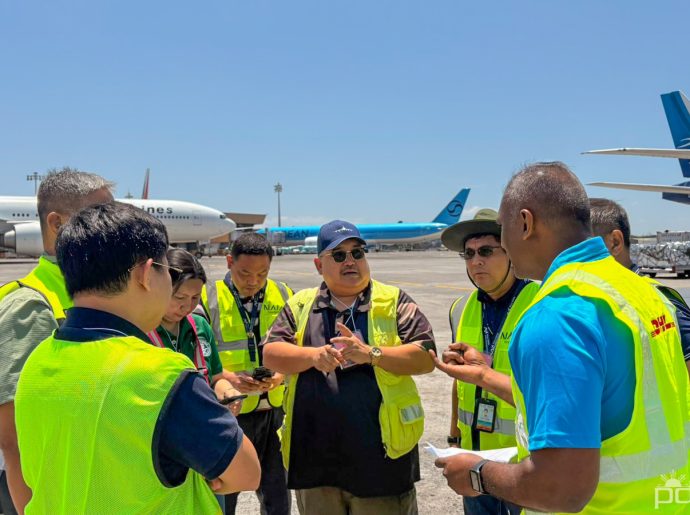
The Asia Pacific Alliance for Disaster Management Sri Lanka, a CBI Member Network, runs swift water search and rescue trainings almost every year. This doesn’t just save lives in a crisis, but has changed the lives of many of the first responders that took part in the training, as well as the resilience of the organizations they are a part of.
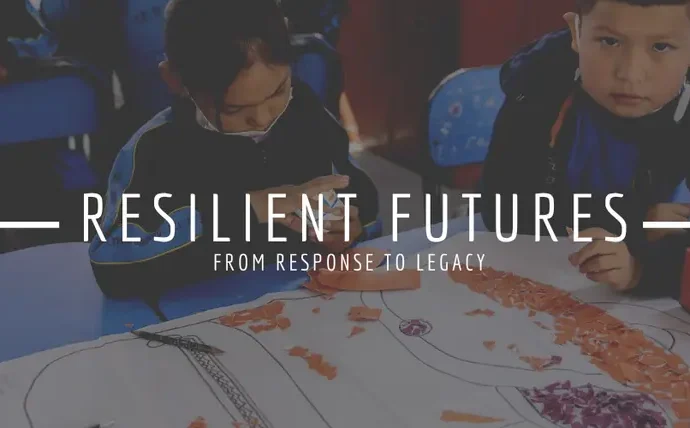
In Peru, children lead change in disaster and earthquake preparedness thanks to an initiative by Hombro a Hombro, the CBI Member Network in the country. Their collaborative model is built on the Family Emergency Plan and training teachers to guide students through months of engaging activities where they learn to identify hazards, map evacuation routes, prepare emergency supplies, and react during tremors. The children then become educators themselves, bringing these vital skills home to their families.
What initiatives might be available near you?
Resilience isn’t a one-size-fits-all. But it’s not just a buzz word – it’s a skill you can develop for yourself, your family, your community, and your business to perhaps tilt the odds in your favor if and when you’re faced with a crisis.
So, in the lead up to American Thanksgiving, I invite you to not only give thanks for what you have, but to invest in resilience. And while I hope you never have to use any of the lessons you learn or items you bring together to be better prepared, better safe than sorry.