An interview with social worker and disaster risk management professional Seheno F. Andrianiaina from Madagascar
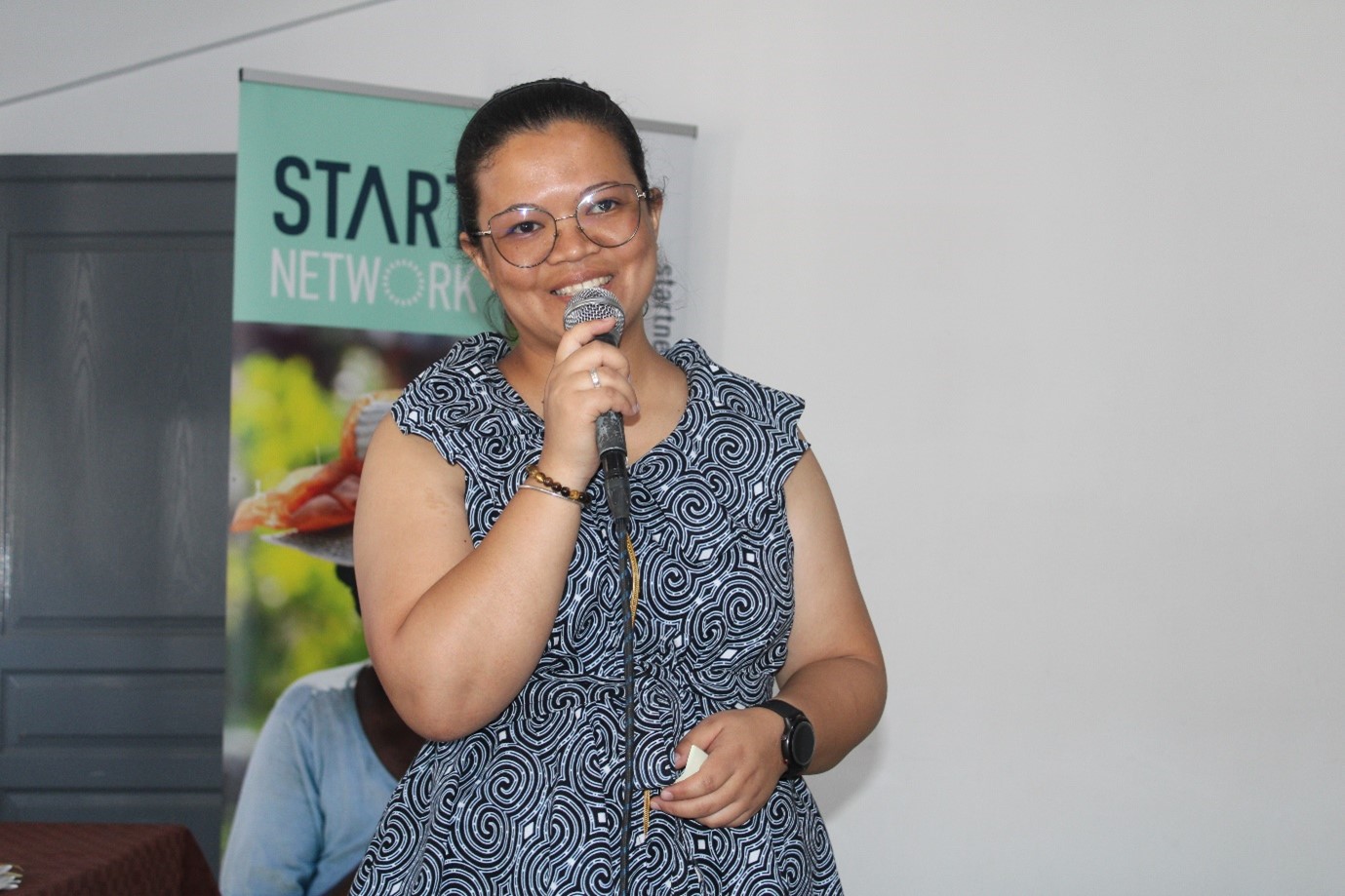
Seheno F. Andrianiaina is the Country Manager for the Start Network in Madagascar. With a background in social work and experience in disaster risk reduction and management, she shares her journey and some insights related to working in the field in Madagascar, as well as her love of books and nature.
How and when did you get into the disaster management space?
I have been in the world of Risk and Disaster Management for about ten years. When I graduated with a Master’s degree in Social Work, specializing in Social Assistance, I embraced the professional world of social work in social centers caring for marginalized and disadvantaged people at the community level. It was a great experience, full of passion. This experience enabled me to develop a sense of altruism and empathy towards these communities in need of help.
Then, upon discovering the Risk and Disaster Management course at the University, I immediately decided to pursue it. I began working in the sector of disaster risk management within a USAID-funded Food Security and Resilience programme. At that time, I worked as a Resilience Specialist. I provided technical support for the resilience component of the programme. I also coordinated the implementation of resilience-related activities in the programmes.
One of the areas that struck me most during my time in social centers was working with girl-mothers who, as minors, become pregnant. There are several difficult episodes that the girl faces: the discovery that she is pregnant, the moment when the father of her child leaves her, the moment of breaking the news to her parents (given that the Malagasy culture of the region is rather modest in this sense), the decision to change the course of her life to suddenly become a mother… The support provided by the social center is crucial in that it strengthens the person’s ability to bounce back from the emotional shock, and then to cope with her situation.
The social center becomes like a bridge between life as a young girl and life as a mother-daughter. And during the few months spent at the center, the person is forged and is also forging herself to change status completely. In real life, most mothers won’t have enough time to cross this bridge and embrace with full awareness the changes caused by new motherhood. But the social center offers such an opportunity, compensating for the shock suffered by the young girl and launching her into the daily rhythm of a self-assured mother.
How has your engagement in disaster management evolved over the years?
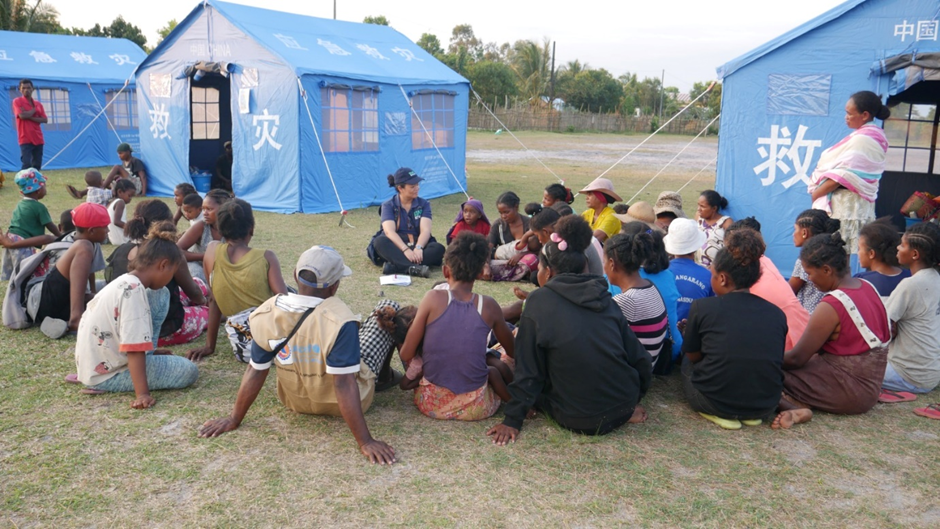
I began my involvement from the operational and technical sector aiming to strengthen community resilience to food insecurity. Then, I moved to coordinating networks of technical experts in risk and vulnerability analysis, to facilitate decision-making on the mobilization of funding for anticipatory and other actions.
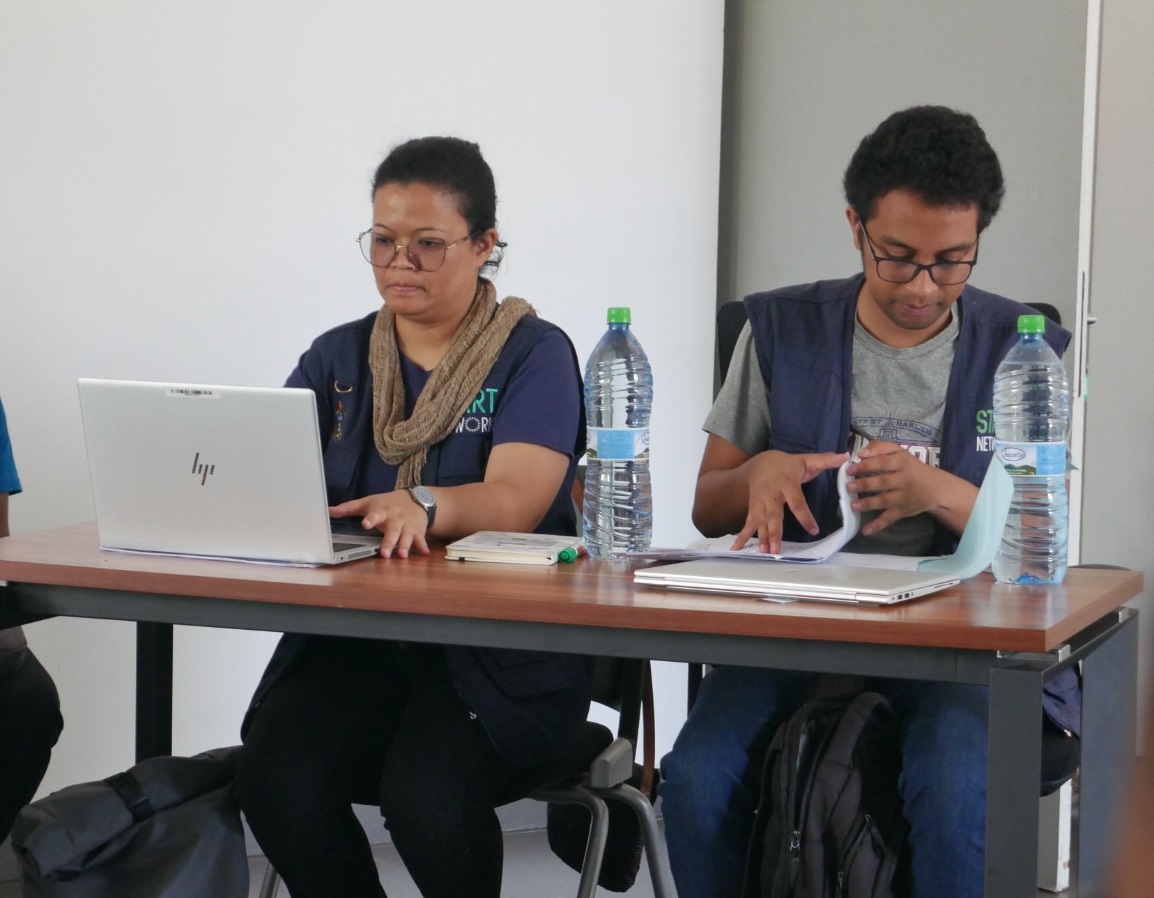
I’m currently involved in management. I manage the Start Network NGO’s portfolio at national level.
What did you do before you got involved with Start Network?
Before joining the Start Network, I worked in a USAID-funded food security project as a Resilience Technical Specialist.
From my point of view, there are factors that cause food insecurity, but there are also factors that “maintain” it. Many efforts are being made to alleviate the issue, but unfortunately not to eradicate it; and I am convinced there’s a big difference between knowing about and anticipating a food insecurity crisis, and just enduring an unexpected food insecurity situation.
What is your perspective and vision for the engagement of local or international businesses in disaster management?
Local and international companies play a key role in risk and disaster management. Not only can these companies contribute to disaster risk factors, but they can also be the victims. That’s why it’s important to work with them and raise awareness around challenges and opportunities related to my field. At the end of the day, their contributions are an important part of disaster risk management, both locally and globally. For example, the private sector has a vested interest in ensuring the sustainability of its activities, and such an investment in operational or supply chain continuity can contribute to broader resilience.
Where does your interest/passion for disaster risk financing come from?
Working on the operational and technical side of risk and disaster management is a way to directly build community resilience, but this work is limited in space and time. Working on the financing side of risk management, however, can contribute indirectly to building community resilience, influencing policies and strategies for change.
What is your message to the people worldwide who don’t know the Malagasy context?
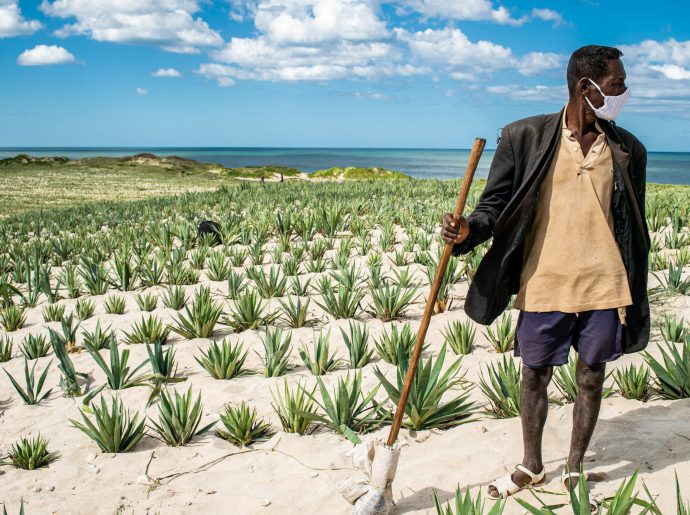
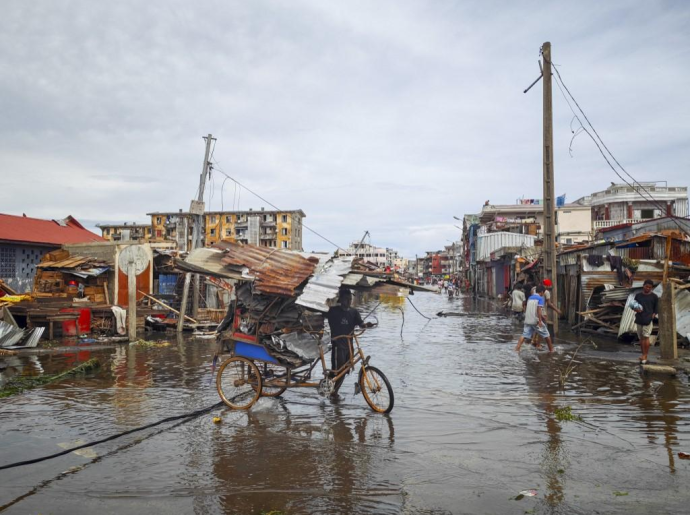
Madagascar’s context is quite complex, as various factors of exposure and vulnerability combine to forge our immense capacity to cope and bounce back from each shock. A large part of this involves risk and disaster governance.
What are some of your interests or passions outside of disaster management?
I’m passionate about reading and nature. I enjoy books on personal development, psychology, and religion – or books and works related to my field of intervention on risk and disaster management.
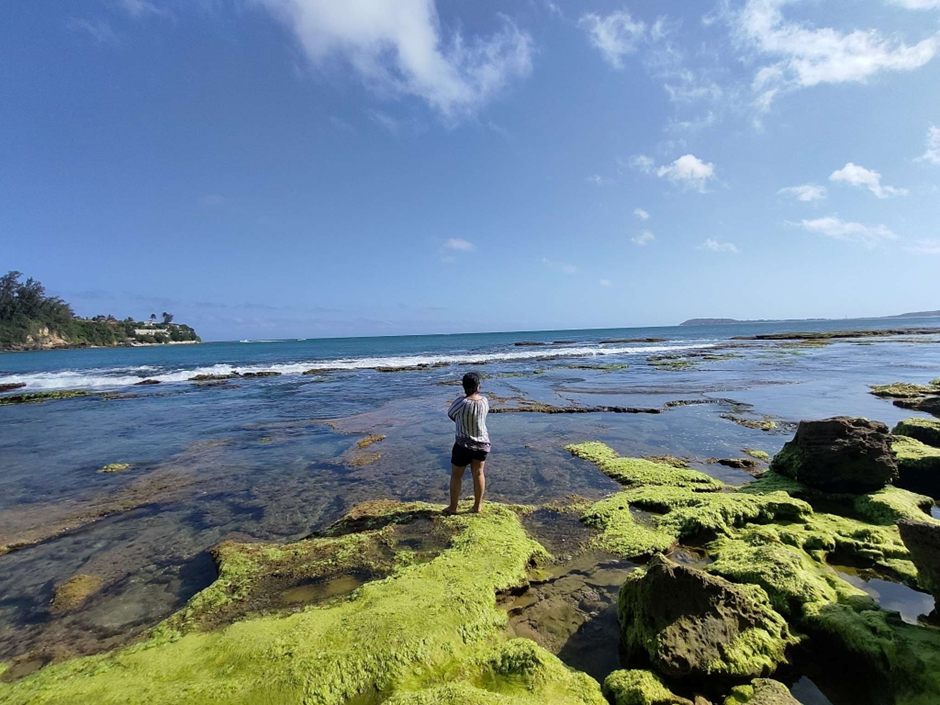
As for nature, it revitalizes me. I’m particularly fond of greenery and bodies of water, especially the sea. I can spend two hours by the water/beach observing and meditating. It gives me the opportunity to think “big” and “scan the horizon” in my introspective and extrospective gaze.
What is your message to the Malagasy youth or diaspora?
This 20-year-old generation is facing a world that is more virtual and less connected to reality. Using digitalization technology is a huge advantage for development. However, I think it’s always good to keep at least one foot on the ground while embracing this rapid advance in technology.
Do you have a personal motto or life philosophy?
For me, life is made up of good and bad, but it’s worth living that way!