The historical impact of coastal El Niño in Peru and how local businesses are preparing for the global El Niño
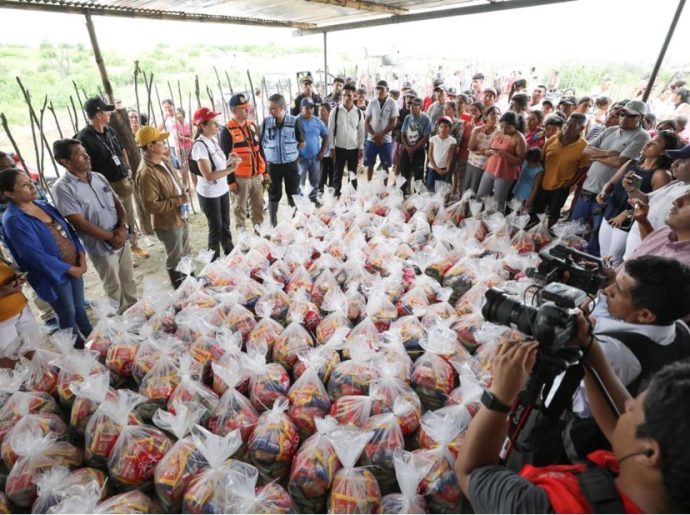
The passage of El Niño Costero (coastal El Niño) at the beginning of the year in Peru brought with it heavy rains and floods in the north of the country, with the greatest impact in Tumbes, Lambayeque and Piura. As of July 3, according to UN data, the affected population stands at over 787,000 people in need and 41,670 houses that have been destroyed or have become uninhabitable. Hombro a Hombro, the CBI Network in Peru, mobilized the private sector to support the Government in its response. Building on lessons learnt, the country is preparing for the impact of the global El Niño phenomenon, too, and the private sector is focusing its contribution on three areas: logistics, capacity-building, and provision of heavy machinery.
“The solidarity of the private sector was present through Hombro a Hombro for the care of our brothers and sisters affected by the heavy rains in various regions of the country,” said Zarela Mansilla, Coordinator for Hombro a Hombro. “We work with the State through the National Civil Defense Institute, and together we will continue to prepare ourselves to face the impacts of the imminent global El Nino.”
“The solidarity of the private sector was present through Hombro a Hombro for the care of our brothers and sisters affected by the heavy rains in various regions of the country. We work with the State through the National Civil Defense Institute, and together we will continue to prepare ourselves to face the impacts of the imminent global El Nino.” – Zarela Mansilla, Coordinator, Hombro a Hombro
Floods and dengue fever: The historical impact of El Niño Costero in Peru
The floods earlier this year triggered an unprecedented dengue epidemic in Peru, reaching the highest per capita dengue fever rate in the Americas, with a historical record of more than 172,000 dengue cases and 287 deaths (as of July 3 of 2023, based on UN data). Due to the high rate of dengue cases, on May 10 the Ministry of Health (MINSA) declared a health emergency in 20 out of 25 regions in the country.
“The heavy rains that occurred in the north of the country brought great flooding, river overflows, roadblocks, isolated towns and dengue disease,” says Col. Jaime Chavez, Head of Operations for Hombro a Hombro. “But the strength of Peruvians and the solidarity of many companies made it possible for us to make it through to the other side. There is still a lot to do to face what is coming with the global El Niño phenomenon, but the important thing is that we are working on it together.”
“The heavy rains that occurred in the north of the country brought great flooding, river overflows, roadblocks, isolated towns and dengue disease, but the strength of Peruvians and the solidarity of many companies made it possible for us to make it through to the other side. There is still a lot to do to face what is coming with the global El Niño phenomenon, but the important thing is that we are working on it together.” – Col. Jaime Chavez, Head of Operations, Hombro a Hombro
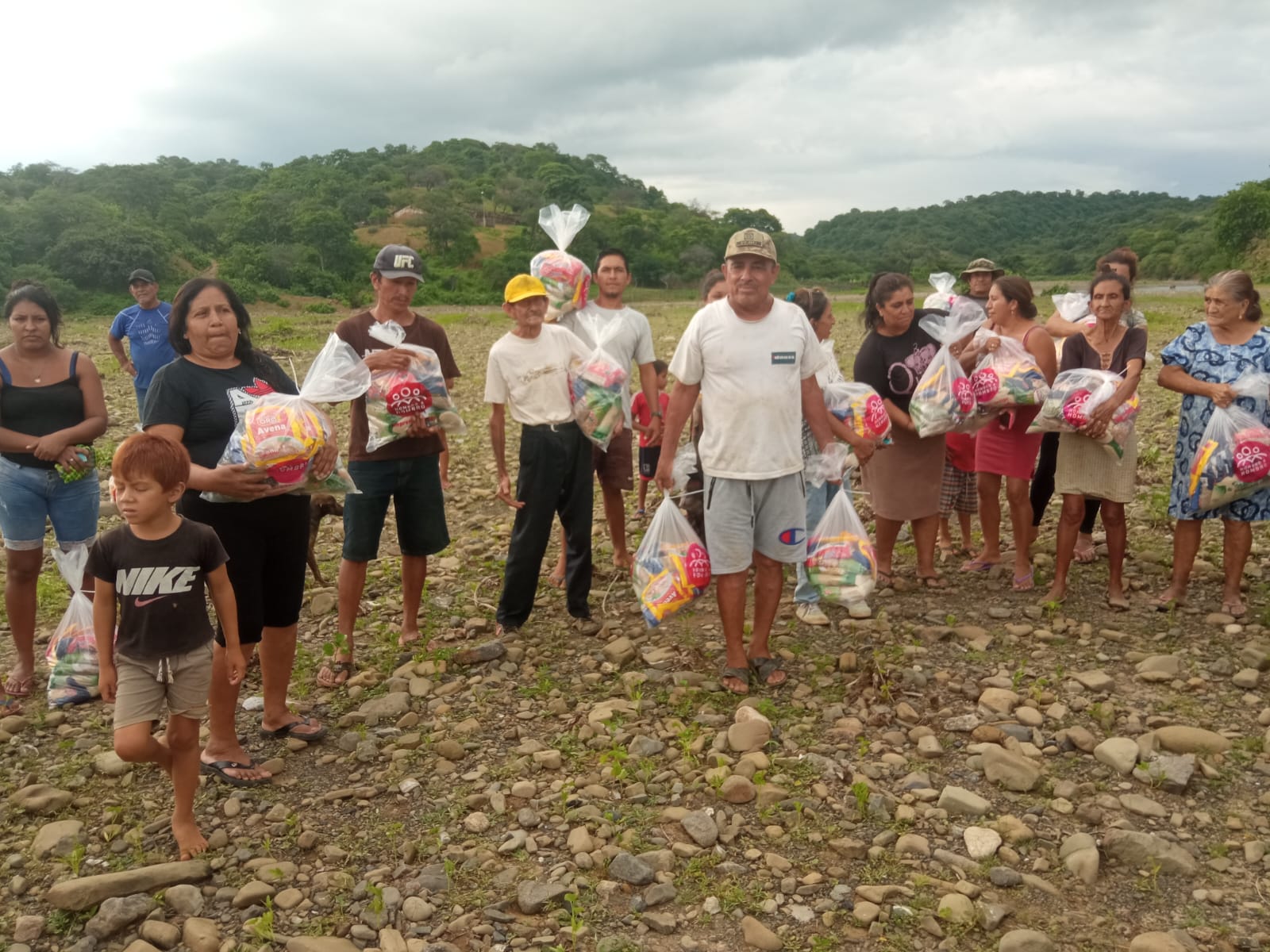
Hombro a Hombro worked with Government counterparts to provide aid to affected populations in hard-to-reach areas such as Piuria.
How local businesses are preparing for the global El Niño phenomenon and its impacts
On Tuesday 4 July, the World Meteorological Organization (WMO) officially declared the start of the Global El Niño phenomenon. As such, we can expect a gradual warming of the Pacific Ocean, impacting global temperature and rainfall patterns. It is estimated that the effects in Peru will reach their peak at the end of 2023 or the beginning of 2024. The Peruvian Government has announced the investment of 3,000 million soles (USD 827,645,100) to support the preparation of municipalities and regional governments.
The private sector has also started preparing to ensure effective coordination, the provision of resources and to optimize how they might contribute to mitigate the impacts of the increase in temperatures.
Hombro a Hombro, the CBI network in Peru, is supporting the government in three areas:
1. LOGISTICS
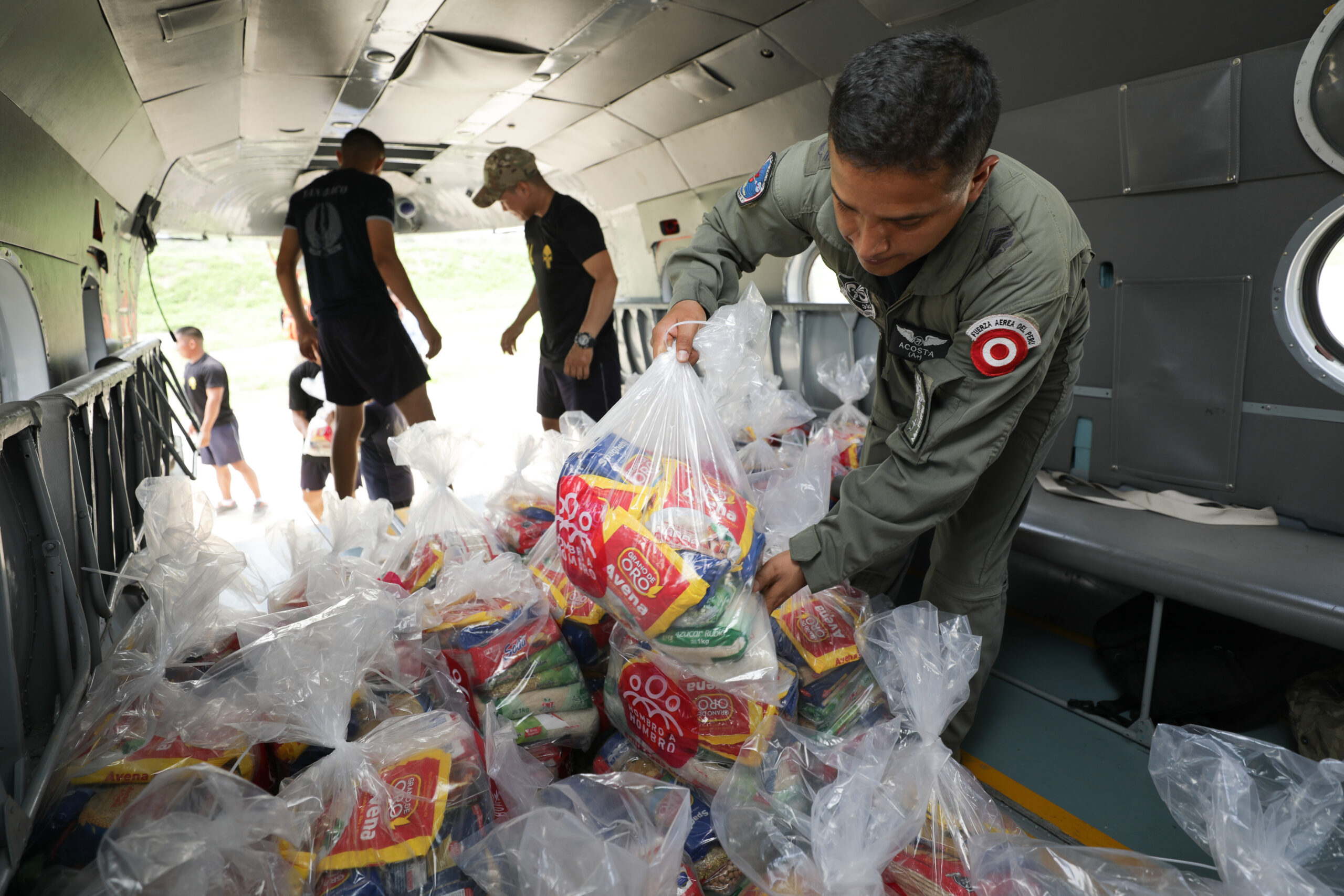
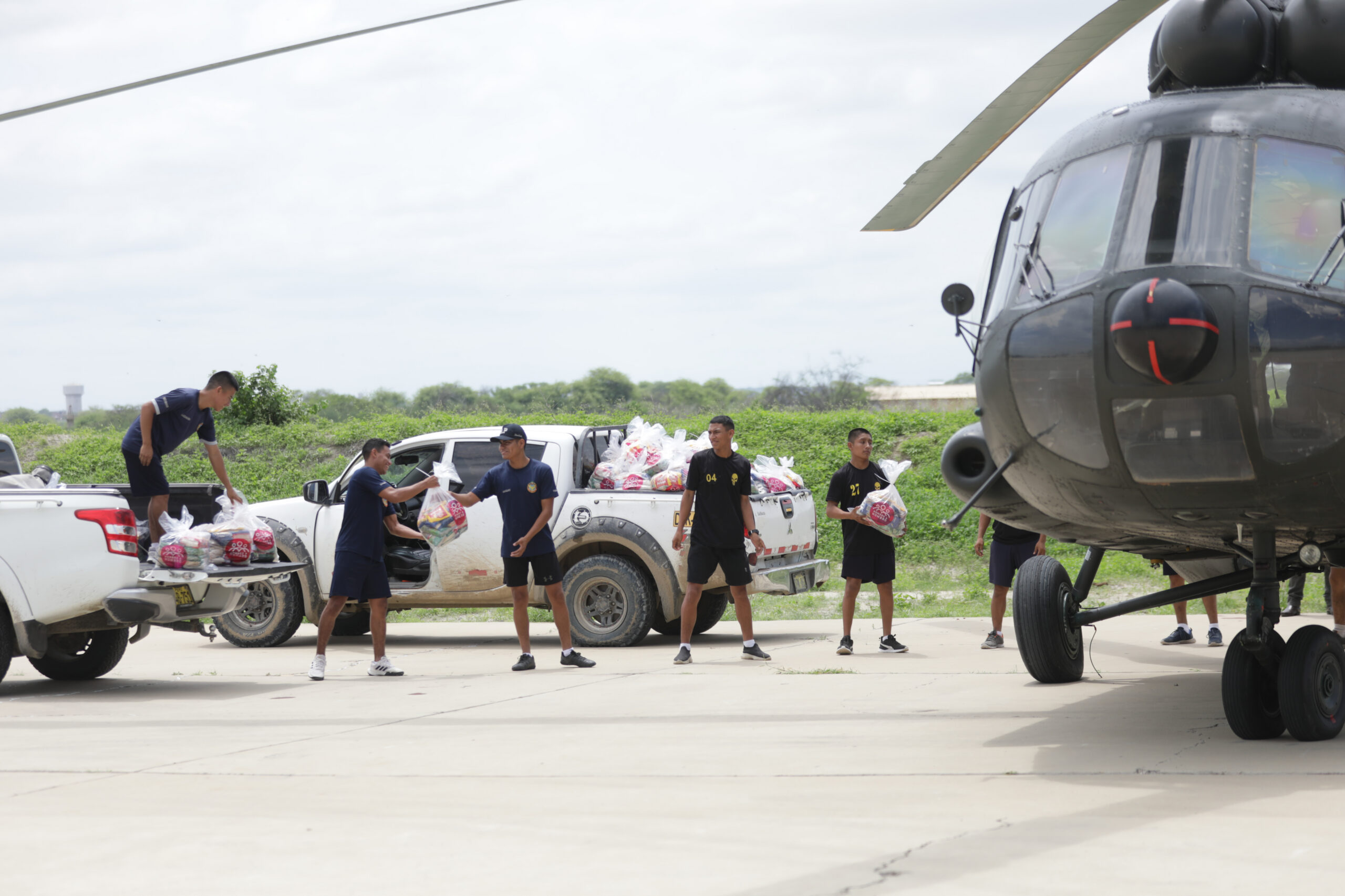
Hombro a Hombro, together in collaboration with Es Hoy Perú, is supporting the National Civil Defense Institute (INDECI) to estimate and plan for the demand for resources that will be needed. This calculation includes the number of people affected, the goods required for humanitarian aid, warehouses to dispose of the goods and the logistics necessary to supply them. Resources include transportation and personnel, among others.
2. TRAINING OF MUNICIPALITIES
Hombro a Hombro is supporting and participating in the initiative of Escuela R, an organization leading the training of more than 100 of the most vulnerable municipalities in the country by working with thematic experts. The training focuses on resource management, report development, crisis management, leadership, and disaster risk management. The objective of this initiative is for municipalities to have the necessary skills to manage information and resources to respond to the impacts of El Niño.
3. HEAVY MACHINERY
Heavy machinery has been key in the early recovery of El Niño Costero. It has been used to remove debris from affected areas through an initiative led by Ferreycorp in coordination with the Ministry of Housing.
Hombro a Hombro is supporting the coordination of the country’s key companies in heavy machinery and advising the Ministry of Housing related to management processes, so that the management of donations from the private sector in heavy machinery is standardized.
The impact of El Niño should not be underestimated. Already extreme weather conditions are likely to be amplified, with more severe tropical cyclones, rainfall, and droughts affecting many regions. To find out more about what you can do to prepare your business for El Nino, consider creating or updating your business continuity plan or linking up to your local or national chamber of commerce or equivalent network to be a part of larger disaster preparedness efforts.