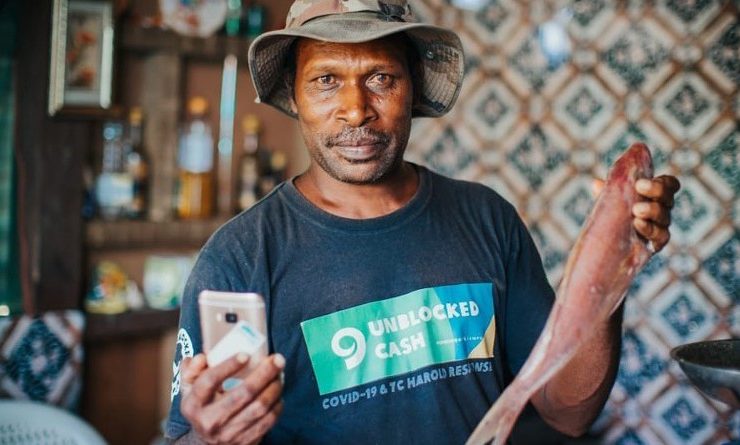
In the context of the Asia-Pacific Ministerial Conference on Disaster Risk Reduction (APMCDRR) 2024, CBI is partnering with a number of other organizations to organize the session described below.
It will take place on Monday 14 October, from 11am-12pm Philippine Standard Time (UTC+8).
The partnering organizations include:
- Asian Disaster Preparedness Center (ADPC)
- Asia-Pacific Alliance for Disaster Management (A-PAD)
- The Philippine Disaster Resilience Foundation (PDRF)
- The Private Sector Alliance for Disaster Resilient Societies (ARISE)
- United Nations Children’s Fund (UNICEF)
- OCHA/UNDP Connecting Business initiative (CBI)
Resilient Futures: Bridging Science and Business Solutions
The Asia-Pacific region is highly vulnerable to natural hazards such as tropical cyclones, earthquakes, rising sea levels, and the impacts of climate change on food and water security. Unfortunately, this vulnerability is exacerbated by socio-economic constraints and limited coping capacities, highlighting the urgent need for robust and holistic disaster risk reduction (DRR) strategies as advocated by the Sendai Framework for Disaster Risk Reduction 2015-2030. The Sendai Framework emphasizes inclusive, multi-stakeholder approaches to enhance resilience, calling for active engagement from all sectors, including local businesses.
Local businesses emerge as critical partners in this context. They have the expertise, resources, technologies and innovations that are crucial for enhancing disaster and climate resilience. From developing local solutions for early warning systems to catalyzing investments and expertise for DRR strategies, local private sector actors are instrumental in strengthening urban and rural resilience.
This side event, titled “Resilient Futures: Bridging Science and Business Solutions” will focus on the vital role local businesses play in advancing resilience through inclusive disaster risk management and innovative solutions. This 60-minute session will explore how local business innovations can drive the development of resilience-building initiatives, ranging from early warning systems and emergency operations centers, to joint-preparedness activities and community-based digital solutions crucial for enhancing urban and rural resilience. Working with businesses and ensuring the inclusion of all stakeholders and vulnerable groups, especially women, children and people with disabilities, mean that we leverage local resources and form strategic partnerships that are essential for building resilient businesses and communities.
This session aims to provide a forum for discussing strategies to enhance public-private people partnerships. By bringing together the business community, governments, UN agencies and other development and humanitarian partners, we hope to inspire a renewed commitment to fostering strong public-private partnerships and collaboration for urban and rural resilience.
Tentative Programme
Opening Remarks: Senior representative from OCHA and/or UNDP
Speakers:
- The Vanuatu Business Resilience Council
- ARISE Philippines
- The Philippine Disaster Resilience Foundation
- The Asia-Pacific Alliance for Disaster Management
Closing Remarks: Senior representative from UNICEF
Moderator: OCHA/UNDP Connecting Business initiative
Firestarter: Asian Disaster Preparedness Center
Related content

Asia-Pacific Alliance for Disaster Management Sri Lanka (A-PAD Sri Lanka)
Asia-Pacific Alliance for Disaster Management Sri Lanka (A-PAD Sri Lanka)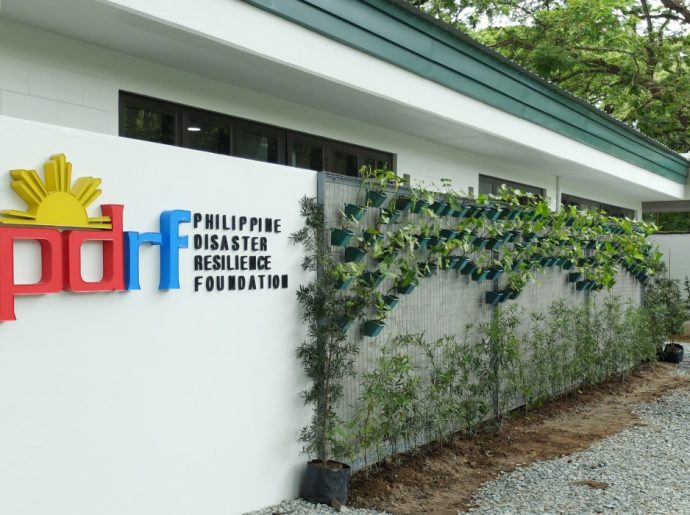
The Philippine Disaster Resilience Foundation (PDRF)
The Philippine Disaster Resilience Foundation (PDRF)