Now more than ever, we see the escalating scale and complexity of humanitarian crises worldwide. Disasters are becoming more frequent and severe, driven by factors such as climate change, conflict, and socio-economic vulnerabilities.
In this challenging landscape, the need for closer collaboration between businesses, governments, and humanitarian agencies is more urgent than ever. One effective way to enhance this collaboration is through the establishment of emergency operations center (EOC) capabilities among the business community.
The OCHA/UNDP Connecting Business initiative (CBI) seeks to transform and improve collective private sector action before, during, and after emergencies by working with business network partners. CBI Networks have the required capacity to rapidly respond to local and regional emergencies and are represented in government and UN disaster coordination structures.
The CBI BEOC Course
This flagship, invitation-only training course is designed to support select CBI Networks in developing their business EOC capabilities and supporting their ability to coordinate their response efforts with governments and humanitarian partners during emergencies.
Drawing upon the collective experience of CBI Networks when it comes to private sector engagement in disaster preparedness, response and recovery, the Business Emergency Operations Center (BEOC) training course aims to support participants in developing the core competencies required in private sector response coordination. At the end of the course, participants will have acquired strategic and practical knowledge of coordination principles and tools and will be able to apply these in the context of emergencies.
Participation is by invitation only and limited to select representatives from CBI Member Networks. Participants are selected based on their application and their expressed commitment to support the establishment of an emergency operations center for their business network.
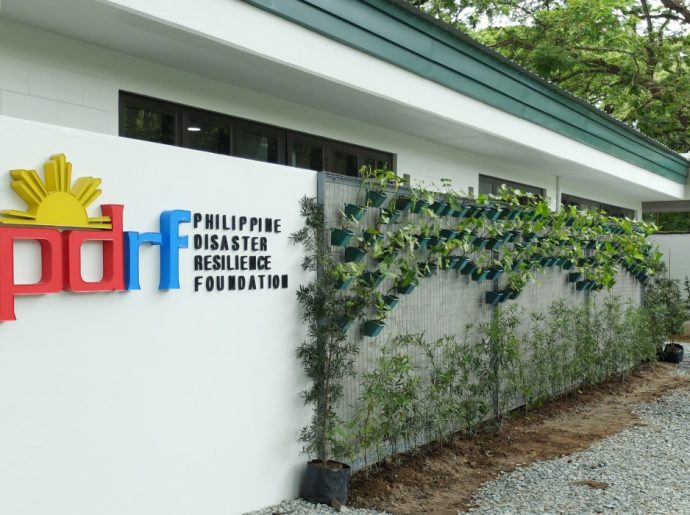
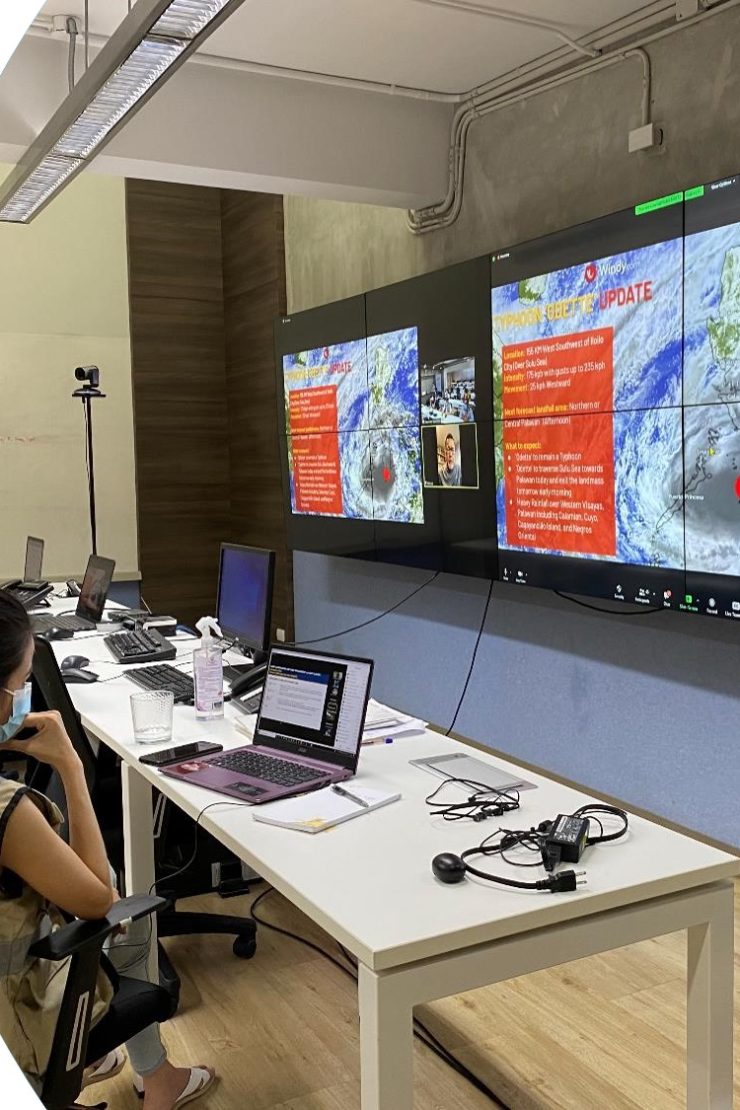
The programme will be a mix of lectures and facilitated discussions, as well as group work activities designed as tabletop exercises. The programme is divided into two phases: a series of one-hour online sessions and an in-person study mission hosted at the Emergency Operations Center of the Philippine Disaster Resilience Foundation (PDRF). Resource persons from various partner agencies will also be invited.
The course will take place in September-October 2024.
Related content