How private sector funders can contribute to crisis resilience
The humanitarian funding landscape is changing rapidly, and corporate philanthropy is increasingly being looked to as a meaningful player in disaster response and recovery. Private sector funders can’t do everything, but renewed attention to the role they can play is warranted given pressing needs arising from disasters and humanitarian crises worldwide. They can do some things particularly well: moving quickly, taking risks, bringing flexibility, and engaging employees and communities in ways that other funders often can’t.
The opportunity is real. So is the risk of getting it wrong. Corporate philanthropy that arrives without context, exits after the headlines fade, or bypasses local expertise can do more harm than good. Done thoughtfully, it can make a lasting difference.
Here are five principles for humanitarians, businesses, and philanthropists who want their engagement to matter.
1. Start with listening
The strongest philanthropic partnerships begin with listening, not with solutions or pre-packaged activities. Disaster recovery is complex, and priorities shift quickly, from immediate relief to long-term rebuilding. Humanitarian organizations and private sector funders bring different expertise, capacity, and resources to each situation.
Successful partnerships ask what communities actually need and leverage each partner’s strengths to meet those needs. Humanitarian organizations can make this easier by communicating needs early and often. They can play a key role in sharing real-time assessments, being transparent about gaps, and helping donors understand what communities are asking for. For private sector funders, the guiding question before making any plan should be simple: What are the urgent and emerging needs and gaps? Don’t assume you already know.
2. Think beyond the first headline
Most funding and attention arrive in the first few weeks after a disaster. But recovery can take years. The partnerships that make a real difference support the full arc of recovery from immediate relief to rebuilding housing, restoring livelihoods, and addressing mental health needs. Decisions made in the hours, days, and months after a disaster can and will impact that arc of recovery for years to come.
Humanitarian leaders can help the private sector see the bigger picture by articulating long-term recovery needs and plans. When responders can show how early relief connects to multi-year recovery and resilience-building, it gives philanthropic partners the confidence to stay engaged for longer. It also opens the door to funders who don’t see themselves as “disaster funders.” Corporate philanthropy is not a monolith—companies and foundations have a wide variety of mandates, and understanding the full story of disaster recovery can help those who wouldn’t normally engage become committed partners.
3. Trust local expertise
Effective partnerships aren’t just between large organizations and private sector funders. They must also include local organizations and community leaders who understand their communities best. Funding that flows through trusted local actors tends to be more responsive, more efficient, and more sustainable over time.
Humanitarian organizations must prioritize local partnerships and elevate local leadership when engaging with philanthropic funders. That means introducing donors directly to community-based organizations, sharing examples of locally led solutions, and demonstrating how resources can strengthen local capacity rather than bypassing it. One of the genuine advantages of private sector philanthropy is its flexibility—the kind of adaptive, relationship-based support that other funding channels often can’t provide. That flexibility is most powerful when it’s directed toward the people closest to the ground.
4. Prioritize flexibility
Disasters evolve quickly. What communities need two weeks after an event will look completely different six months later. Flexible partnerships and funding allow responders to adapt to changing conditions rather than remain locked into plans that no longer reflect reality—and this is an area where private sector funders can genuinely outperform more rigid funding streams.
Humanitarian organizations can build donor trust in flexible approaches by providing clear reporting, sharing learning along the way, and being transparent about challenges and course corrections. When donors understand how decisions are made and how funds adapt to changing needs, they become more comfortable supporting that flexibility.
It also helps to understand, from the start, the limits of each partner’s flexibility. Everyone has stakeholders—board members, employees, customers, programme participants—and being open about those interests early makes the eventual need to adapt far easier to navigate together.
5. Build relationships, not transactions
The most impactful philanthropic partnerships are not one-off disaster donations. They are long-term relationships focused on resilience—helping communities prepare for future shocks, not just recover from the last one.
These relationships take time to build. The kinds of flexible, effective private sector partnerships that truly work are not constructed overnight—they are cultivated through engagement outside of crisis moments, through conversations about preparedness, and through demonstrating how investments today reduce disaster impacts tomorrow. The partnerships that worked around Hurricane Melissa weren’t built in the emergency. They were built long before it.
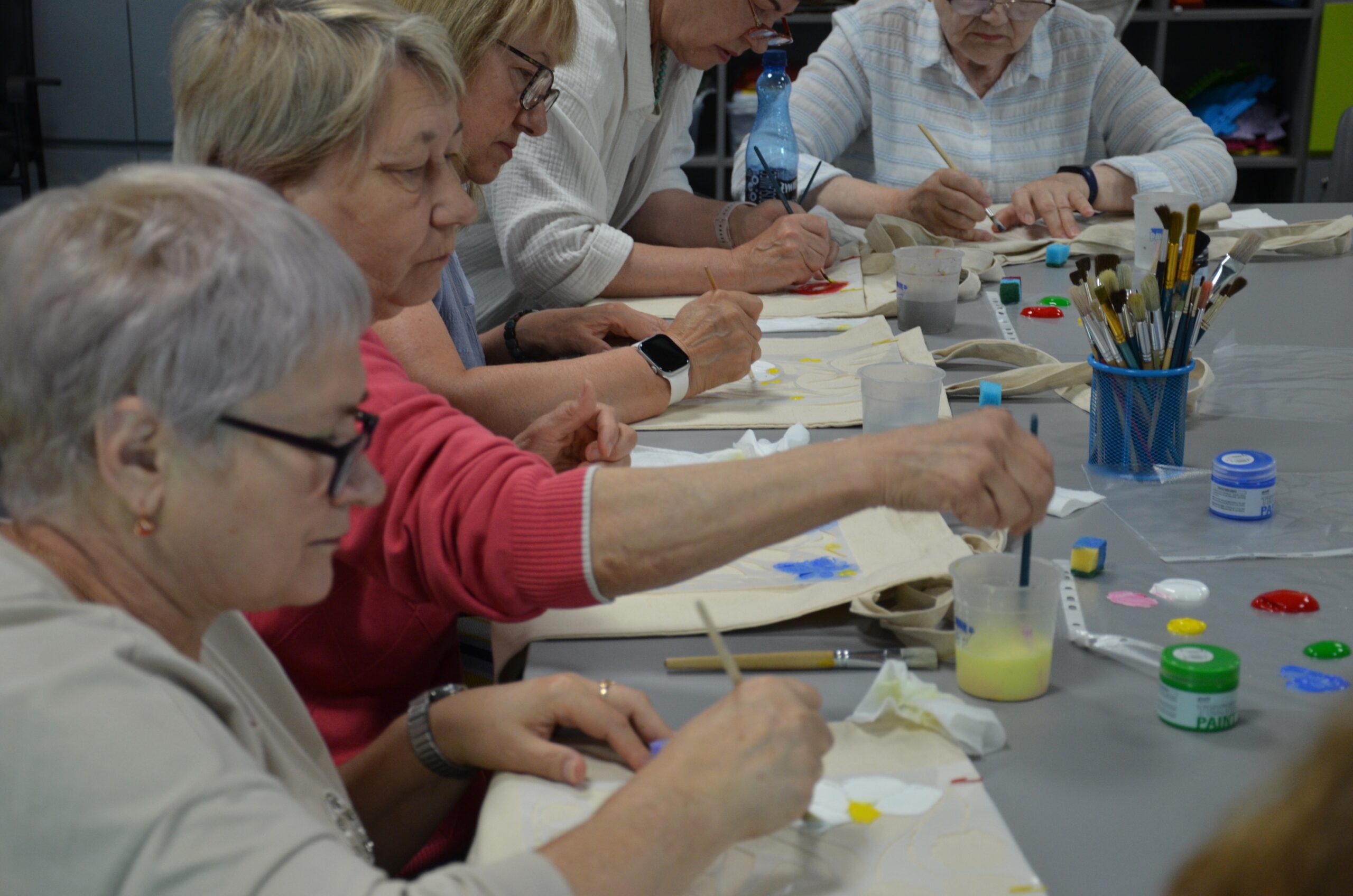
The same is true at the local level. A recent visit to a grantee organization in Poland revealed the impact of relationships built with local businesses that provided training and job opportunities for participants in livelihoods recovery programmes for Ukrainian refugees. That kind of outcome doesn’t happen overnight. It happens when organizations and funders commit to the long game together.
Private sector funders have something real to offer: flexibility, speed, relationships, unique resources, and the ability to take risks that other funders can’t. When they bring those strengths to bear thoughtfully—listening first, staying for the long arc, trusting local leaders, and building genuine partnerships—the impact is real. That’s the role worth playing.
Tracy O’Heir is a Program Officer at the Center for Disaster Philanthropy, whose mission is to mobilize philanthropy to strengthen communities’ ability to withstand disasters and to recover equitably when they occur.