Executive Summary
Our global impact at a glance
The Problem
Banks occupy a paradoxical position in disasters: vulnerable to disruption while uniquely positioned to determine how quickly communities bounce back. Through branch networks, mobile platforms, and trusted community presence, they provide what humanitarian actors can’t deliver alone—immediate access to money when people need it most.
Solution
CBI Member Networks have found partners in banks and formed myriad, proven initiatives that help them activate aid quickly in emergencies. These fall into five categories, each leveraging different capabilities banks already possess:
The Result
Banks can provide the infrastructure that makes response faster, more efficient, and more locally rooted. From mobile money waiving fees to foundations building health centers, FinTech alliances mobilizing payments, or retail banks teaching financial literacy, banks have a lot to offer in emergencies.
The challenge
Our global impact at a glance
Coordinated Response
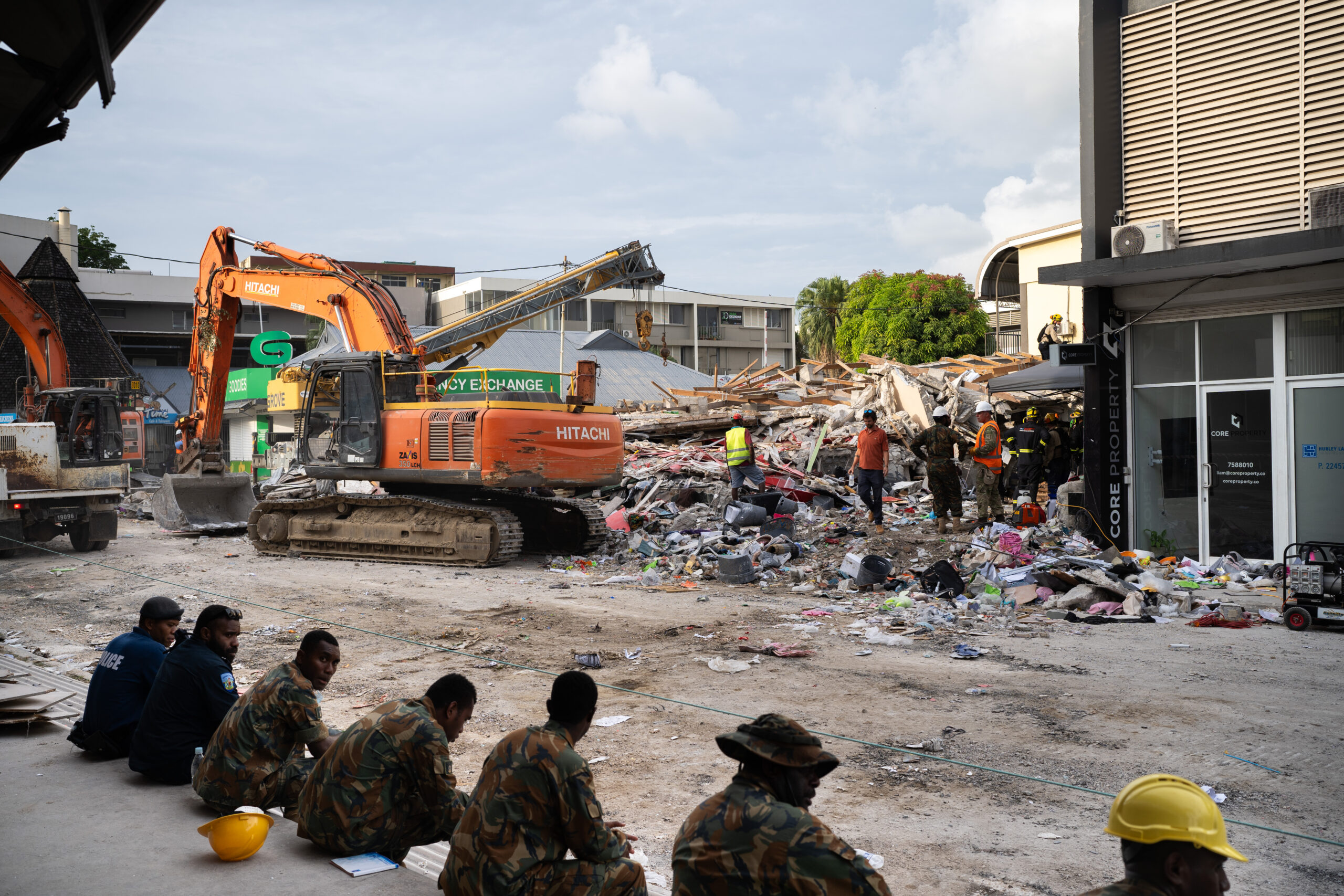
A study by the Centre for Economic Policy and Research found that banks with deep local roots tend to stick around after disasters, while banks from other regions are more likely to pull out. This makes sense: local banks have stronger ties to the community and are more invested in the area’s recovery.
The damage to their operations is real but temporary—in fact after catastrophic events like hurricanes, banks can provide an important lifeline to the population to get back to normal business relatively quickly.
The impact of business
Our global impact at a glance
The most visible banking contribution during disasters is the ability to move money rapidly to affected populations. Mobile banking and digital payment platforms can disburse digital money and cash within hours rather than days, reducing logistical bottlenecks while increasing transparency and financial inclusion. When pre-positioned agreements exist, these platforms become lifelines.
Through pre-established agreements, the sector ensures not only the continuity of essential financial services but also reinforces its critical role in supporting economic response and facilitating population recovery during and after large-scale disasters.
Beyond facilitating cash transfers, some banking partnerships create dedicated funding mechanisms that can be activated before or during disasters. These pre-positioned funds enable a faster, more strategic response.
Some partnerships don’t just react—they invest in infrastructure that prevents the next crisis from becoming a disaster. These investments in water systems, health facilities, and resilient schools address the underlying deficits that amplify disaster impacts and slow recovery when they hit.
Financial literacy is also disaster preparedness: knowing how to manage money during crisis, understanding risk, and planning for the worst while hoping for the best. This creates a space for financial institutions to learn, share experiences, and develop tools for integrating disaster risk into their core business operations.
Response saves lives, but recovery determines whether communities truly bounce back.
The UN link
Our global impact at a glance
Title
Coordination is what makes all of this possible; these partnerships do not emerge from thin air. CBI Member Networks are the invisible infrastructure making these partnerships work. When PSHP Madagascar convenes BNI, BRED, Mvola, and other institutions alongside humanitarian actors and government agencies, they create shared understanding, shared protocols, and shared capabilities. But most importantly, they build trust.
SLIDER TITLE
Our global impact at a glance
-
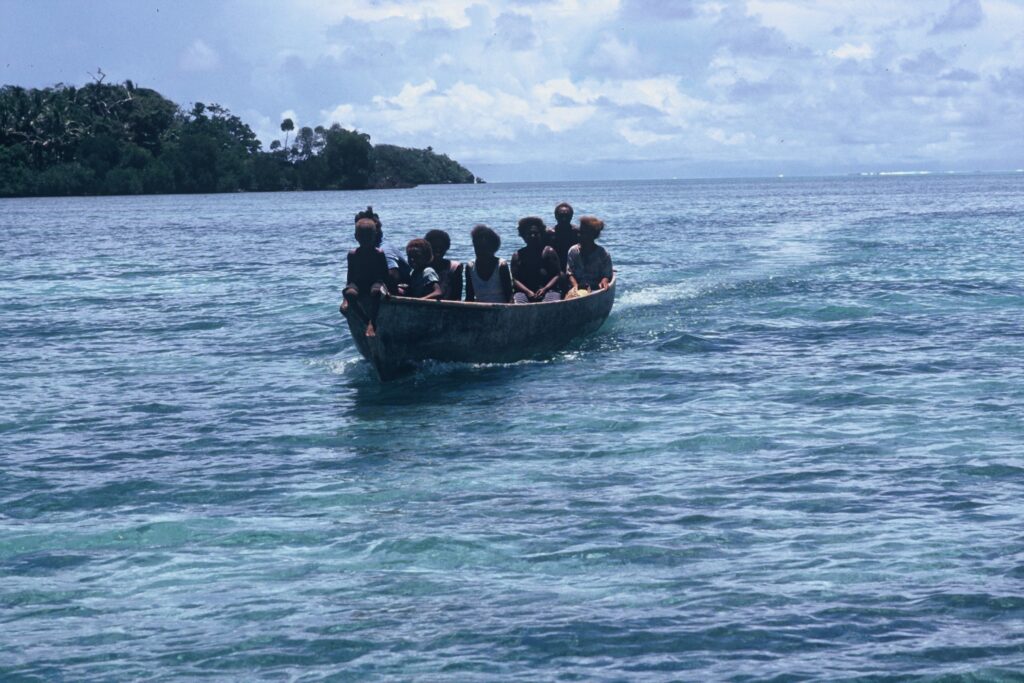
Image by Christian Jutvik from Pixabay. -
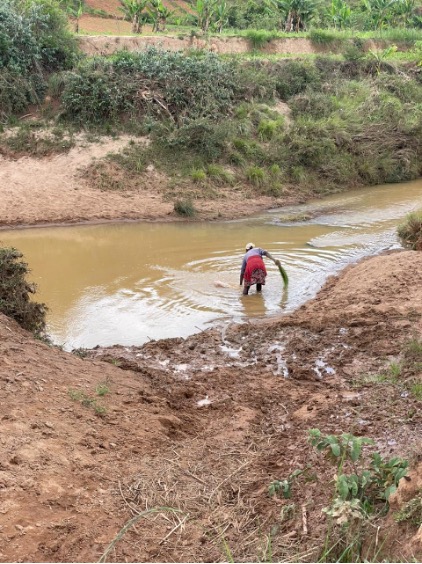
Before the bridge was built, this was one of the spots where locals would cross the river, putting themselves at risk especially in times of heavy rainfall and flooding. Photo: PSHP Madagascar. -
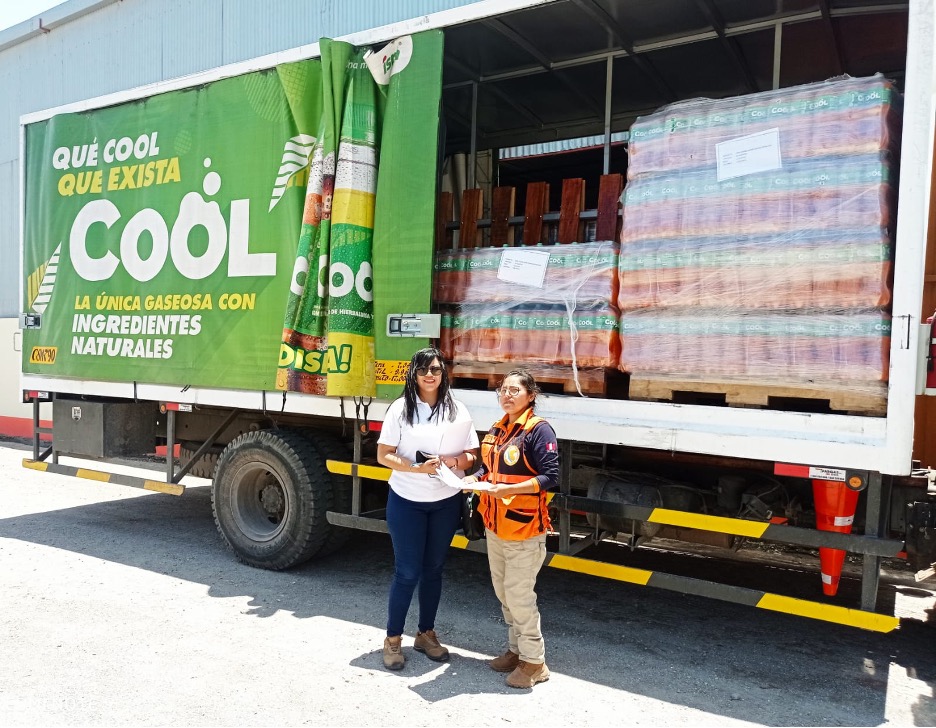
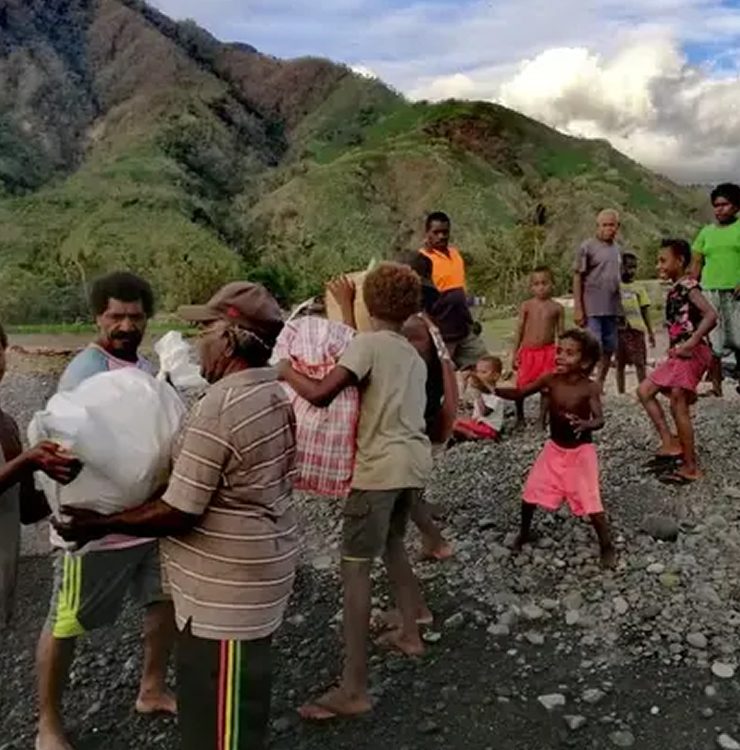
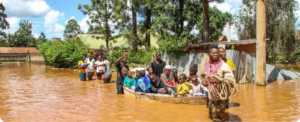
Hombro a Hombro distributing hydration products to communities affected by floods in Peru. Photo: Hombro a Hombro. -
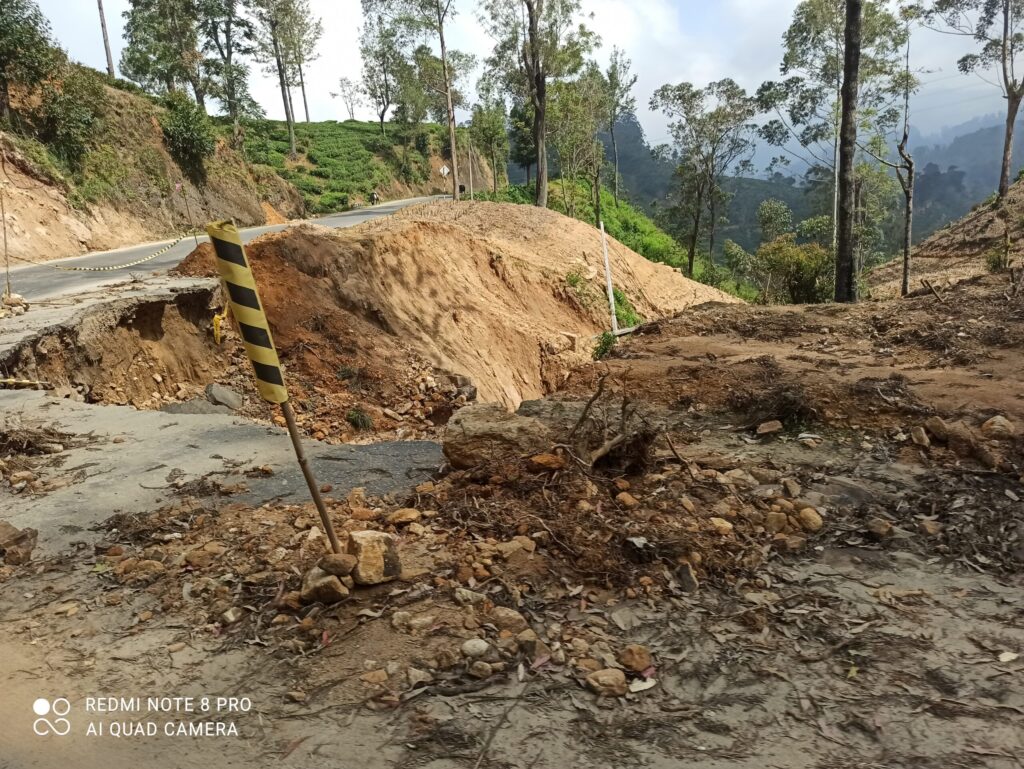
Roads were destroyed by Cyclone Ditwah, making access to schools challenging at best. HSBC and A-PAD Sri Lanka joined forces to ensure children received school supplies as part of recovery efforts. Photo: A-PAD SL -
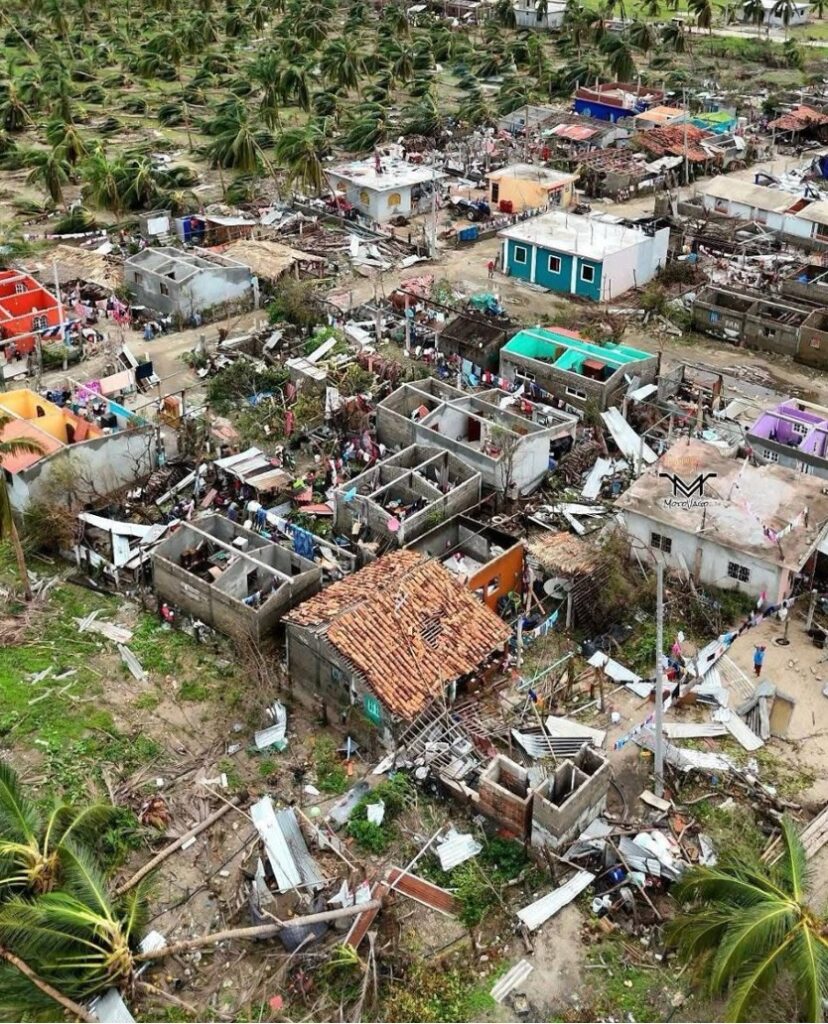
Hurricane Erick’s impact in Oaxaca, México, in June 2025. Photo: Asociación SOCPINDA A.C.
Lessons Learned
Coordination is what makes all of this possible; these partnerships do not emerge from thin air.
-

Title
CBI Member Networks are the invisible infrastructure making these partnerships work. When PSHP Madagascar convenes BNI, BRED, Mvola, and other institutions alongside humanitarian actors and government agencies, they create shared understanding, shared protocols, and shared capabilities. But most importantly, they build trust.
-

Title
This coordination web transforms banks from donors writing checks to strategic partners integrated throughout the disaster management cycle, leveraging unique capabilities—payment infrastructure, digital platforms, branch networks, customer relationships, employee expertise—in ways that multiply humanitarian impact.
-
Title
As climate change drives more frequent disasters while humanitarian funding plateaus, these partnerships point toward necessary evolution. Banks can provide the infrastructure that makes response faster, more efficient, and more locally rooted. From mobile money waiving fees to foundations building health centers, FinTech alliances mobilizing payments, or retail banks teaching financial literacy, banks have a lot to offer in emergencies.
-
Title
When the next disaster strikes, the difference between knowledge gaps and effective coordination and effective response may run through a bank branch, mobile wallet, or digital payment platform—if we've built the partnerships beforehand.